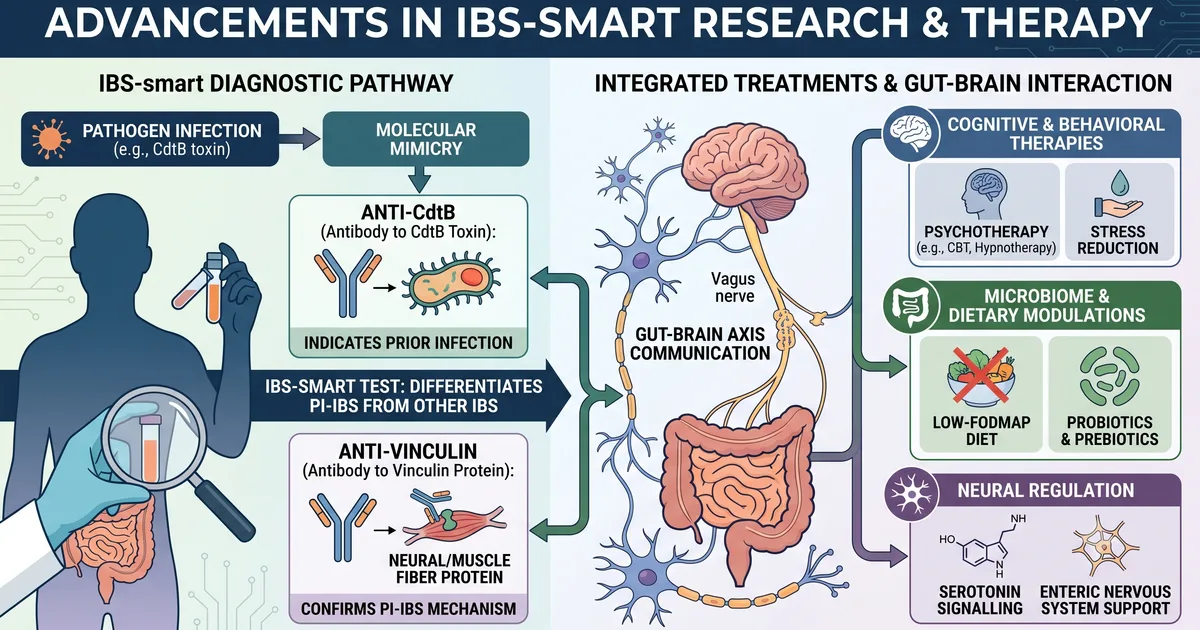

Irritable Bowel Syndrome (IBS) represents one of the most prevalent and complex gastrointestinal conditions in modern medicine. Once dismissed as a diagnosis of exclusion or a psychosomatic manifestation, scientific understanding of IBS has undergone a radical transformation over the last decade. It is no longer viewed simply as a "functional" disorder—a term that historically implied a lack of organic pathology—but rather as a complex, multifactorial Disorder of Gut-Brain Interaction (DGBI).
This conceptual shift, solidified by the Rome IV criteria, reflects the identification of measurable physiological dysregulations involving the enteric nervous system (ENS), the central nervous system (CNS), the intestinal barrier, and the gut microbiome.
Our promise at Diaeta: Whatever the complexity of your symptoms, we create together a personalized meal plan that respects your tastes. No deprivation, no hunger—just a scientific approach adapted to YOUR body.
1. Epidemiology and Impact on Quality of Life
The burden of IBS is profound. It affects approximately 4% to 11% of the global population, with variations depending on geographic region and diagnostic criteria used. While it does not increase mortality, its impact on health-related quality of life is comparable to chronic organic diseases such as congestive heart failure, diabetes, or kidney failure.
Patients frequently experience significant impairment in:
- Work productivity
- Social functioning
- Psychological well-being
This leads to substantial healthcare utilization and economic costs.
1.1 Multifactorial Etiology
The etiology of IBS is now understood as a synergistic convergence of:
- Genetic susceptibility
- Environmental triggers (infection, diet)
- Psychosocial factors
These elements precipitate a cascade of pathophysiological events including visceral hypersensitivity, altered gastrointestinal motility, mucosal immune activation, and dysbiosis.
The profound bidirectional communication between the gut and brain—the Gut-Brain Axis—serves as the central highway for these dysfunctions, explaining the high comorbidity with anxiety, depression, and other somatic pain disorders like fibromyalgia.
2. Rome IV Criteria: Evolution of Diagnosis
Diagnosing IBS has historically been challenging due to the absence of a reliable biological marker. Consequently, diagnosis relies on symptom-based criteria developed by the Rome Foundation.
2.1 From Rome III to Rome IV: A Crucial Evolution
The most significant change in the Rome IV criteria (published in 2016 and currently the gold standard) was the removal of the term "discomfort". Rome III allowed diagnosis based on "abdominal pain or discomfort," but validation studies revealed that "discomfort" is a vague, culturally variable term that patients often conflate with bloating or mild sensation.
Rome IV strictly requires abdominal pain as the cardinal symptom.
Furthermore, the frequency threshold for pain was increased from "at least 3 days per month" (Rome III) to "at least 1 day per week" (Rome IV), thereby selecting for a patient population with more severe and clinically significant disease.
2.2 Comparative Table: Rome III vs Rome IV
| Feature | Rome III | Rome IV | Impact |
|---|---|---|---|
| Cardinal Symptom | Abdominal pain or discomfort | Recurrent abdominal pain (discomfort removed) | Increases specificity |
| Frequency | At least 3 days/month | At least 1 day/week | Identifies more severe cases |
| Defecation Relationship | Improvement with defecation | Related to defecation | Acknowledges pain may worsen |
| Prevalence | ~11.7% | ~5.7% | Reduces false positives |
Key Insight: Rome IV criteria moved IBS from a "diagnosis of exclusion" to a positive diagnosis based on specific symptom patterns. This represents a major shift in how we understand and treat this condition.
Diagnostic criteria also mandate chronicity: symptoms must have begun at least 6 months prior to diagnosis and be currently active for the last 3 months.
3. Classification of IBS Subtypes
Subtyping is not merely an academic exercise; it is the fundamental determinant of management. Subtypes are defined solely by stool consistency using the Bristol Stool Scale, not by stool frequency.
Important: Subtyping must be assessed while the patient is off medications that alter bowel habits (laxatives or antidiarrheals).
3.1 IBS-C (Constipation-Predominant)
- More than 25% of bowel movements are Bristol Type 1 (separate hard lumps) or Type 2 (sausage-shaped, lumpy)
- Less than 25% are Bristol Type 6 (mushy) or Type 7 (watery)
- Clinical context: These patients often report straining, sensation of incomplete evacuation, and hard stools
3.2 IBS-D (Diarrhea-Predominant)
- More than 25% of bowel movements are Bristol Type 6 or 7
- Less than 25% are Bristol Type 1 or 2
- Clinical context: Urgency is a hallmark symptom, often accompanied by fear of incontinence. Pain is frequently lower abdominal and crampy
3.3 IBS-M (Mixed)
- More than 25% of bowel movements are Bristol Type 1 or 2 AND more than 25% are Type 6 or 7
- Clinical context: These patients experience significant fluctuation, often alternating between constipation and diarrhea within hours or days. This subtype is notoriously difficult to treat
3.4 IBS-U (Unsubtyped)
- Patients meet diagnostic criteria for IBS (pain + altered bowel habits) but their stool consistency abnormalities do not meet thresholds for IBS-C, D, or M
- Clinical context: Often represents milder cases or those with predominant bloating but normal stool consistency
Important note: Subtyping is fluid; over 75% of patients may transition between subtypes over one year.
4. Positive Diagnosis Strategy
A critical advancement in the ACG 2021 Guidelines and other international consensuses is the move toward a positive diagnostic strategy. Historically, IBS was diagnosed only after an exhaustive battery of tests (CT scans, colonoscopies, blood panels) proved negative.
This "diagnosis of exclusion" approach reinforces patient anxiety (implying the doctor "hasn't found the real cause yet") and inflates healthcare costs.
Current evidence dictates that in a patient meeting Rome IV criteria without "red flag" symptoms, the pre-test probability of organic disease is no higher than in the general population.
4.1 Red Flags (Alarm Features)
The presence of any of the following necessitates imaging or endoscopy:
- Age of onset > 50 years: IBS rarely presents for the first time in older adults
- Unintentional weight loss: IBS is not a catabolic state
- Rectal bleeding: Never a symptom of IBS
- Nocturnal symptoms: Pain or diarrhea awakening the patient is highly specific for organic pathology
- Family history: First-degree relative with colorectal cancer, IBD, or celiac disease
- Laboratory abnormalities: Iron deficiency anemia, elevated CRP, or elevated fecal calprotectin
4.2 Targeted Diagnostic Testing
- Celiac Disease Screening: Recommended for all IBS-D and IBS-M patients. Serologic testing with tissue transglutaminase IgA
- IBD Exclusion: In patients with diarrhea, fecal calprotectin measurement is highly recommended
- Bile Acid Diarrhea: Up to 30% of IBS-D patients may actually suffer from bile acid malabsorption
5. Pathophysiology: The Gut-Brain-Microbiome Axis
IBS is the prototype of a multifactorial disorder. No single physiological defect explains the entire patient population; different subsets exhibit varying degrees of dysregulation across three primary domains:
- Visceral sensation
- Gastrointestinal motility
- Neuro-immune-microbiome interactions
6. Genetics and Epigenetics: 2024-2025 Landscape
Until recently, the genetic basis of IBS was poorly understood. However, large-scale Genome-Wide Association Studies (GWAS) published in late 2024 and 2025 have provided breakthrough insights into the polygenic architecture of the disease.
6.1 Recent Discoveries
Recent meta-analyses combining cohorts of over 60,000 cases have identified 19 to 21 novel risk loci associated with IBS. These loci encompass genes involved in:
- Ion channel function
- Neuronal adhesion
- Immune regulation
6.2 Key Candidate Genes
- CADM2 (Cell Adhesion Molecule 2): Involved in synaptic organization, previously linked to anxiety and neuroticism. Its association with IBS strongly reinforces the genetic basis of the gut-brain connection
- PHF2 and LRP1B: Genes implicated in immune regulation
- SCN5A: Variations in this sodium channel gene linked to distinct IBS phenotypes
6.3 Bidirectional Causality with Mood Disorders
Mendelian randomization studies from 2025 have confirmed a bidirectional causal relationship between mood swings/neuroticism and IBS. Genetic susceptibility to anxiety can biologically predispose an individual to IBS, and conversely, the physiological state of IBS can causally increase the risk of mood disorders.
7. The Microbiome: Dysbiosis and Metabolomics
The gut microbiome is a critical player in IBS pathophysiology. Dysbiosis—an imbalance in the microbial community—is observed in a significant proportion of patients, particularly those with IBS-D and Post-Infectious IBS.
7.1 Taxonomical Alterations
- Reduced Diversity: IBS patients generally exhibit lower alpha-diversity compared to healthy controls
- Proteobacteria Expansion: Increase in potentially pathogenic facultative anaerobes like Enterobacteriaceae
- Loss of Beneficial Anaerobes: Marked reduction in Lactobacillus and Bifidobacterium species, crucial for maintaining barrier integrity
7.2 Subtype Specificity
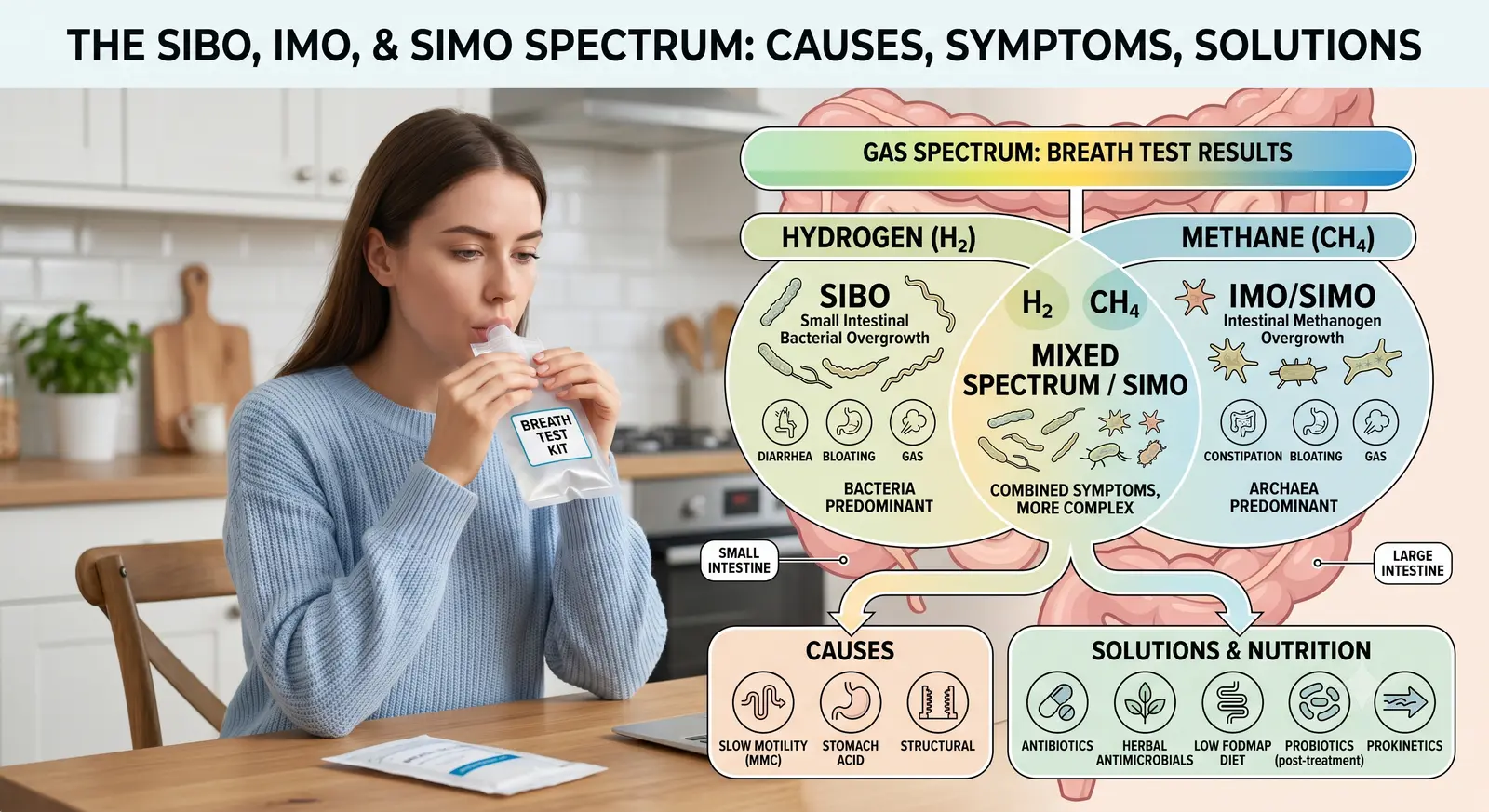
- IBS-C: Associated with increased methanogenic archaea, specifically Methanobravibacter smithii. Methane slows intestinal transit
- IBS-D: Associated with depletion of butyrate-producing species like Faecalibacterium prausnitzii. Butyrate is essential for colonocyte health
8. Mucosal Immunology: The Low-Grade Inflammation Hypothesis
While IBS is macroscopically normal (no ulcers or tumors), microscopic analysis often reveals low-grade immune activation.
8.1 Mast Cell Activation
Mast cells (MC) in the colonic and jejunal mucosa are often increased in number or, more importantly, in activity. When activated by stress, food antigens, or bacteria, MCs degranulate and release:
- Tryptase: Disrupts tight junctions, causing increased intestinal permeability ("leaky gut")
- Histamine: Binds to H1 and H4 receptors on visceral afferent nerves, lowering the activation threshold and directly causing visceral hypersensitivity
- Prostaglandins: Mediate inflammation and pain sensitization
9. Visceral Hypersensitivity: The Biological Basis of Pain
Visceral hypersensitivity (VH) is the hallmark of IBS, defined as a lowered threshold for pain in response to intraluminal pressure. It involves both peripheral and central mechanisms.
Key Insight: Visceral hypersensitivity is a real physiological phenomenon—it explains why normal gut activity feels painful in IBS. This is NOT "all in your head."
9.1 Peripheral Sensitization
The "inflammatory soup" of histamine, tryptase, and serotonin in the gut wall sensitizes nerve endings. TRP (Transient Receptor Potential) channels—such as TRPV1 and TRPA1—are upregulated in IBS. These channels transduce mechanical stretch and chemical irritation into pain signals.
9.2 Central Sensitization
Chronic bombardment of the CNS with pain signals from the gut leads to neuroplastic changes in the dorsal horn of the spinal cord and brain. This results in "central gain," where the brain perceives normal physiological events (like gas movement) as painful.
10. The FODMAP Diet: The Gold Standard Dietary Intervention
The low FODMAP diet is the most evidence-based dietary intervention for IBS. FODMAP stands for Fermentable Oligo-, Di-, Mono-saccharides And Polyols.
These are short-chain carbohydrates poorly absorbed in the small intestine. They pass into the colon where they are rapidly fermented by bacteria, producing gas (hydrogen/methane) and exerting an osmotic effect that draws water into the lumen.
Key Insight: The FODMAP diet is NOT meant to be permanent. The goal is to identify YOUR specific triggers through systematic reintroduction—not lifelong restriction.
10.1 Proven Efficacy
Network meta-analyses confirm that a low FODMAP diet significantly reduces global symptoms, abdominal pain, and bloating compared to standard dietary advice.
10.2 Three-Phase Protocol
This is NOT a lifelong diet. It consists of three phases:
- Restriction (2-6 weeks): Strict avoidance of high FODMAP foods (wheat, onions, garlic, legumes, lactose, high-fructose fruits)
- Reintroduction: Gradual reintroduction of specific FODMAP groups to identify individual triggers
- Personalization: Long-term maintenance avoiding only specific triggers
10.3 Risks of Prolonged Restriction
Long-term strict restriction reduces the abundance of beneficial Bifidobacteria and decreases short-chain fatty acid production. Reintroduction is therefore mandatory for long-term colonic health.
10.4 The Gluten-Free Diet Controversy
Many IBS patients report relief on a gluten-free diet. However, the mechanism is debated. Wheat contains both gluten (protein) AND fructans (FODMAP carbohydrate). Recent trials suggest that for most non-celiac IBS patients, the culprit is fructan, not gluten.
10.5 Fiber Supplementation
Not all fiber is beneficial. Physical properties—solubility and fermentability—determine the effect.
- Soluble, Non-Fermenting Fiber (Psyllium/Ispaghula): This is the gold standard. It forms a gel that holds water. Meta-analyses show it is the only fiber that improves global IBS symptoms
- Insoluble Fiber (Bran): Not recommended. Acts as mechanical irritant and is often highly fermentable, exacerbating bloating and pain
11. Brain-Gut Behavioral Therapies (BGBT)
Previously termed "psychological therapies," BGBTs are now recognized as potent physiological modifiers of the gut-brain axis, recommended early in the treatment algorithm, particularly for patients with significant pain or anxiety.
11.1 Cognitive Behavioral Therapy (CBT)
IBS-specific CBT targets cognitive appraisal of pain. It helps patients decouple the sensation of bloating/pain from the emotional reaction of fear/catastrophizing. By reducing the "threat value" of the symptom, central sensitization is dampened.
11.2 Gut-Directed Hypnotherapy (GDH)
GDH uses hypnotic induction to provide suggestions specifically targeted at controlling gut function. Recent 2024-2025 meta-analyses rank GDH as a top-tier intervention for abdominal pain, with efficacy persisting for months after treatment cessation.
Digital delivery of GDH (via apps) has shown promise, making this therapy accessible to more patients.
12. Pharmacological Treatments by Subtype
Pharmacotherapy is typically symptom-directed, targeting the dominant bowel habit (diarrhea or constipation) and abdominal pain.
12.1 Treatments for IBS-D (Diarrhea-Predominant)
| Class | Agent | Mechanism | Clinical Notes |
|---|---|---|---|
| Peripheral Opioid Agonists | Loperamide | Slows transit, increases anal tone | First-line for diarrhea control. Does not improve pain |
| Antibiotics | Rifaximin | Non-systemic antibiotic, alters microbiome, anti-inflammatory | Approved for IBS-D. Effective for bloating. Safe for repeat courses |
| 5-HT3 Antagonists | Alosetron | Blocks 5-HT3 receptors, slows transit, reduces visceral pain | Highly effective for severe IBS-D in women. Restricted access (ischemic colitis risk) |
| Bile Acid Sequestrants | Colesevelam | Binds excess bile acids | Used off-label for suspected bile acid diarrhea |
12.2 Treatments for IBS-C (Constipation-Predominant)
| Class | Agent | Mechanism | Clinical Notes |
|---|---|---|---|
| Secretagogues (GC-C Agonists) | Linaclotide / Plecanatide | Activates GC-C receptors → increases cGMP → fluid secretion | Highly effective for constipation AND pain |
| Secretagogues (Chloride Activators) | Lubiprostone | Activates ClC-2 chloride channels → fluid secretion | Effective. Main side effect: nausea (take with food) |
| Prokinetics (5-HT4 Agonists) | Prucalopride | High-affinity 5-HT4 agonist | Used off-label for refractory constipation |
| Osmotic Laxatives | PEG | Osmotic water retention | Improves stool frequency but does not improve pain or bloating |
12.3 Neuromodulators for Abdominal Pain
For patients where pain is the dominant and refractory symptom, central neuromodulators are used to treat visceral hypersensitivity.
- Tricyclic Antidepressants (TCAs): Gold standard for IBS pain. At low doses (10-50 mg), they block pain processing in the spinal cord. Their anticholinergic effects (dry mouth, constipation) make them ideal for IBS-D
- SSRIs: Less effective for visceral pain than TCAs but useful if anxiety is prominent. They are prokinetic, making them potentially suitable for IBS-C
13. Emerging Therapies 2024-2025
The most exciting developments in IBS research involve therapies targeting the specific molecular mechanisms of the gut-brain-microbiome axis.
13.1 Histamine Receptor Antagonists
Based on the "low-grade inflammation" and mast cell activation hypothesis, H1 antagonists are transitioning from allergy to gastroenterology.
Ebastine: A landmark Phase 2b trial (updated 2024-2025) demonstrated that ebastine (20 mg/day) significantly improved global symptom relief and reduced abdominal pain in patients with non-constipated IBS compared to placebo. It works by blocking H1 receptors on visceral nerves, preventing histamine-induced hypersensitivity.
13.2 Fecal Microbiota Transplantation (FMT) and Postbiotics
- FMT: 2025 data indicates that FMT delivered via oral capsules is as effective as rectal delivery for improving IBS severity scores. The field is moving toward defined microbial consortia rather than whole stool
- Postbiotics: Non-viable bacterial components or metabolites. A 2025 systematic review found postbiotics effective for reducing IBS severity with a superior safety profile
13.3 Novel Diet-Drug Synergies
Current Phase 3 trials are investigating Combination Therapy: low FODMAP diet (removing peripheral trigger) combined with a neuromodulator (raising central pain threshold). This holistic "top-down and bottom-up" approach may offer synergistic superior relief.
13.4 Butyrate-Based Therapies
A 2025 study using a colonoscopic balloon model demonstrated that direct administration of butyrate into the colon of IBS patients significantly reduced intestinal permeability and bolstered the mucosal barrier against stress. This provides direct proof-of-concept for therapies delivering short-chain fatty acids.
14. Our Personalized Approach at Diaeta
At Diaeta, we understand that every IBS patient is unique. That's why our approach is fundamentally different.
What We Promise You
- Never hungry: We create plans that satisfy you with foods you love
- No unnecessary deprivation: The FODMAP protocol is a learning phase, not a life of restrictions
- Systematic reintroduction: Our goal is to maximize the variety in your diet
- Scientific guidance: As a Monash certified FODMAP specialist, I guide you through every step
Our IBS Protocol
- Initial Consultation (60 min): Complete analysis of your symptoms, history, and eating habits
- Elimination Phase: Personalized plan built around YOUR food preferences
- Reintroduction Phase: Methodical testing to identify YOUR specific triggers
- Final Personalization: Definitive meal plan maximizing variety while avoiding only your triggers
Observed Results
With this personalized approach, our patients typically observe:
- 70-90% symptom reduction within the first weeks of elimination
- Successful reintroduction of the majority of initially avoided foods
- Food autonomy and renewed confidence when dining out
Your digestion can become peaceful again. Book an appointment to begin your transformation.
Scientific References
- Rome Foundation. Rome IV Diagnostic Criteria for Irritable Bowel Syndrome. 2016.
- Lacy BE, et al. ACG Clinical Guideline: Management of Irritable Bowel Syndrome. Am J Gastroenterol. 2021.
- Sperber AD, et al. Worldwide Prevalence and Burden of Functional Gastrointestinal Disorders. Gastroenterology. 2021.
- Ghoshal UC, et al. Gut Microbiota and Irritable Bowel Syndrome. Front Med. 2024.
- Unraveling the genetic susceptibility of irritable bowel syndrome. PMC. 2025.
- Efficacy of Dietary Interventions for Irritable Bowel Syndrome: A Systematic Review and Network Meta-Analysis. MDPI. 2024.
- Treatment of non-constipated irritable bowel syndrome with ebastine. Gut. 2025.
- Effect of Brain-gut Behavioral Treatments on Abdominal Pain. Lancet Gastroenterol Hepatol. 2025.
- IDDF2025-ABS-0349 Efficacy and safety of postbiotics in irritable bowel syndrome. Gut. 2025.
- 2025 Seoul Consensus on Clinical Practice Guidelines for Irritable Bowel Syndrome. PMC. 2025.