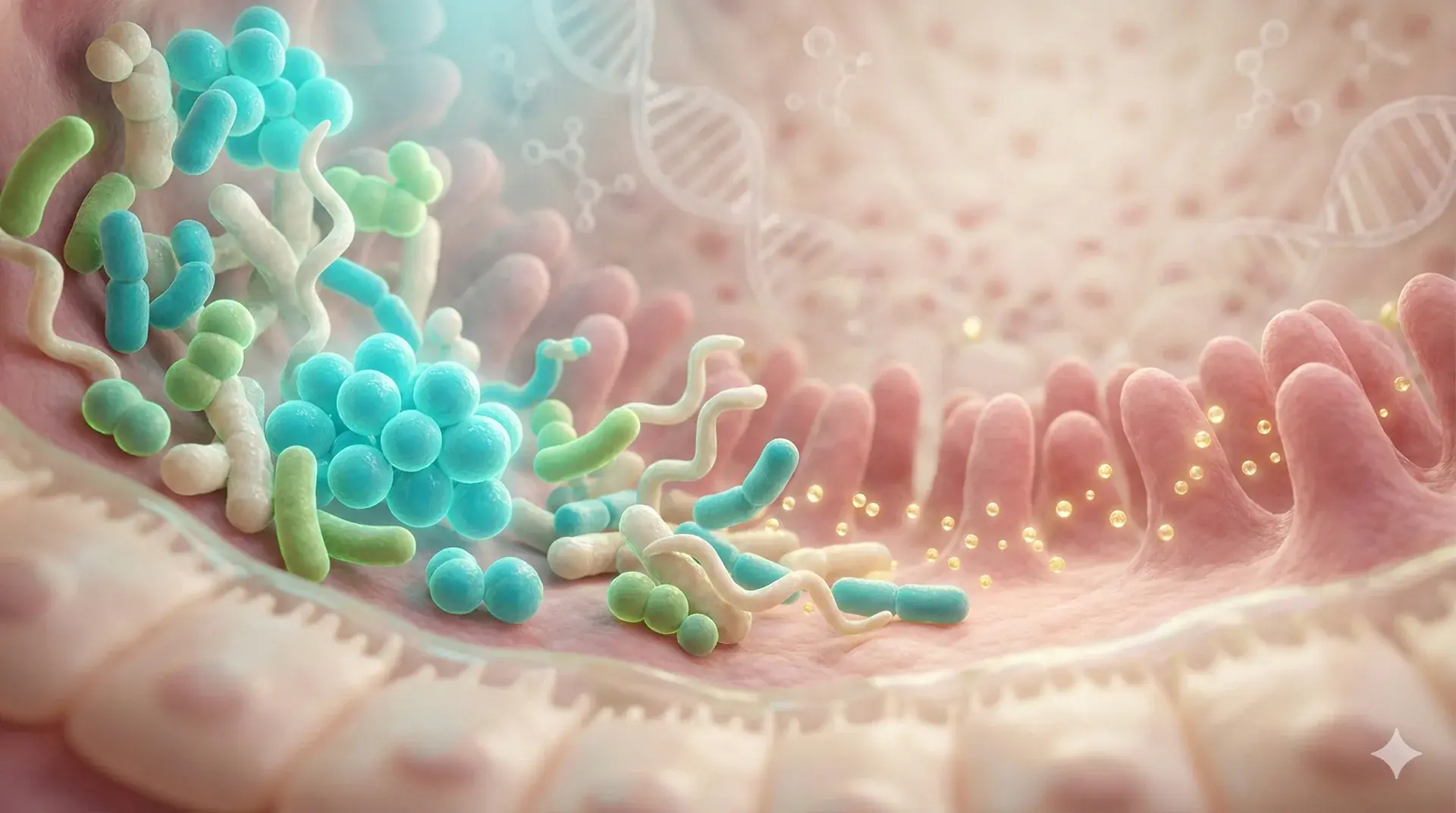

The historical conception of the human body as a discrete biological entity has been fundamentally transformed by modern science. We are now understood to be "holobionts"—superorganisms composed of both human and microbial cells, integrating our genome with the vast metagenome of our microbial inhabitants. This microbial ecosystem is not merely a passenger but an essential organ, performing metabolic, immunological, and neurological functions that our bodies cannot perform alone.
The scale of this ecosystem is immense. Current estimates suggest the human body comprises approximately 37 trillion human cells and a roughly equivalent number of bacterial cells. However, the genetic disparity is vast: the collective microbiome contains approximately 150 times more unique genes than the human genome. This "second genome" provides us with critical capabilities, such as the digestion of complex plant fibers and the biosynthesis of essential vitamins.
Our promise at Diaeta: Understanding your microbiome opens doors to personalized nutrition strategies. We help you nourish your inner ecosystem with foods you genuinely enjoy—no deprivation, just science-based guidance adapted to YOUR body.
1. Ecological Principles of the Gut Ecosystem
The human gut is not simply a container for bacteria; it is a dynamic ecosystem governed by the same ecological rules that shape macroscopic environments—competition, cooperation, resilience, and redundancy.
1.1 Diversity and Stability
A "healthy" microbiome is frequently characterized by high alpha-diversity—the number of species (richness) and their relative abundance (evenness) within a sample. High diversity is generally associated with ecosystem stability and health, while low diversity is a hallmark of dysbiosis observed in conditions ranging from obesity to inflammatory bowel disease.
However, this metric is context-dependent. The vaginal microbiome, for instance, is healthiest when diversity is low and dominated by specific Lactobacillus species, whereas the gut requires a diverse consortium to degrade varied dietary substrates.
1.2 Functional Redundancy: The Ecological Safety Net
Functional redundancy refers to the phenomenon where multiple distinct microbial species can perform the same metabolic function. This is a critical feature that buffers the host against the loss of specific species.
For example, the production of butyrate—a vital short-chain fatty acid—is performed by numerous species within the Firmicutes phylum, including Faecalibacterium prausnitzii, Eubacterium rectale, and Roseburia intestinalis. If one butyrate producer is eliminated by antibiotics, others can expand to fill the niche.
Key Insight: Dysbiosis is often better defined by a loss of function (e.g., decreased butyrate production) rather than just a change in species names.
1.3 Mechanisms of Colonization Resistance
One of the most vital services provided by your microbiota is colonization resistance—the ability to prevent the intrusion and overgrowth of pathogenic invaders. This is an active, multi-front defense:
Nutrient Competition and Metabolic Exclusion
Commensal bacteria occupy available physical niches and consume the nutrients that pathogens require. By efficiently metabolizing simple sugars and competing for trace minerals like iron, the native microbiota effectively starves potential invaders.
Direct Antagonism: The Type VI Secretion System (T6SS)
Bacteria possess sophisticated weaponry to eliminate competitors. The Type VI Secretion System (T6SS) is a contact-dependent "nanoweapon"—a molecular spear that punches through the cell membranes of neighboring bacteria to inject toxic effector proteins. The T6SS apparatus structurally resembles an inverted bacteriophage tail and is widely distributed among human gut Bacteroidales.
Bacteriocins and Antimicrobial Peptides
Gut bacteria also secrete chemical warfare agents known as bacteriocins—ribosomally synthesized peptides that kill closely related bacterial strains. Additionally, the microbiota stimulates the host epithelium to secrete antimicrobial peptides like defensins, creating a "kill zone" in the mucus layer.
2. Composition: The Players of the Human Microbiome
While often discussed as a singular entity, the gut microbiome is a composite of several distinct kingdoms of life.
2.1 The Bacteriome: The Dominant Majority
The bacterial component is the most abundant, dominated by two major phyla constituting over 90% of the community:
| Phylum | Dominant Genera | Primary Function | Clinical Association |
|---|---|---|---|
| Firmicutes | Faecalibacterium, Lactobacillus, Ruminococcus | Butyrate production, bile acid metabolism | Depleted in IBD |
| Bacteroidetes | Bacteroides, Prevotella | Glycan/polysaccharide degradation, propionate production | Prevotella enriched in high-fiber eating patterns |
| Actinobacteria | Bifidobacterium | Lactate/acetate production, vitamin B synthesis | Dominant in breastfed infants |
| Proteobacteria | Escherichia, Salmonella | Facultative anaerobes | Marker of dysbiosis ("bloom" in inflammation) |
| Verrucomicrobia | Akkermansia muciniphila | Mucin degradation | Associated with metabolic health and lean phenotype |
2.2 The Archaeome: Methanogens and Metabolism
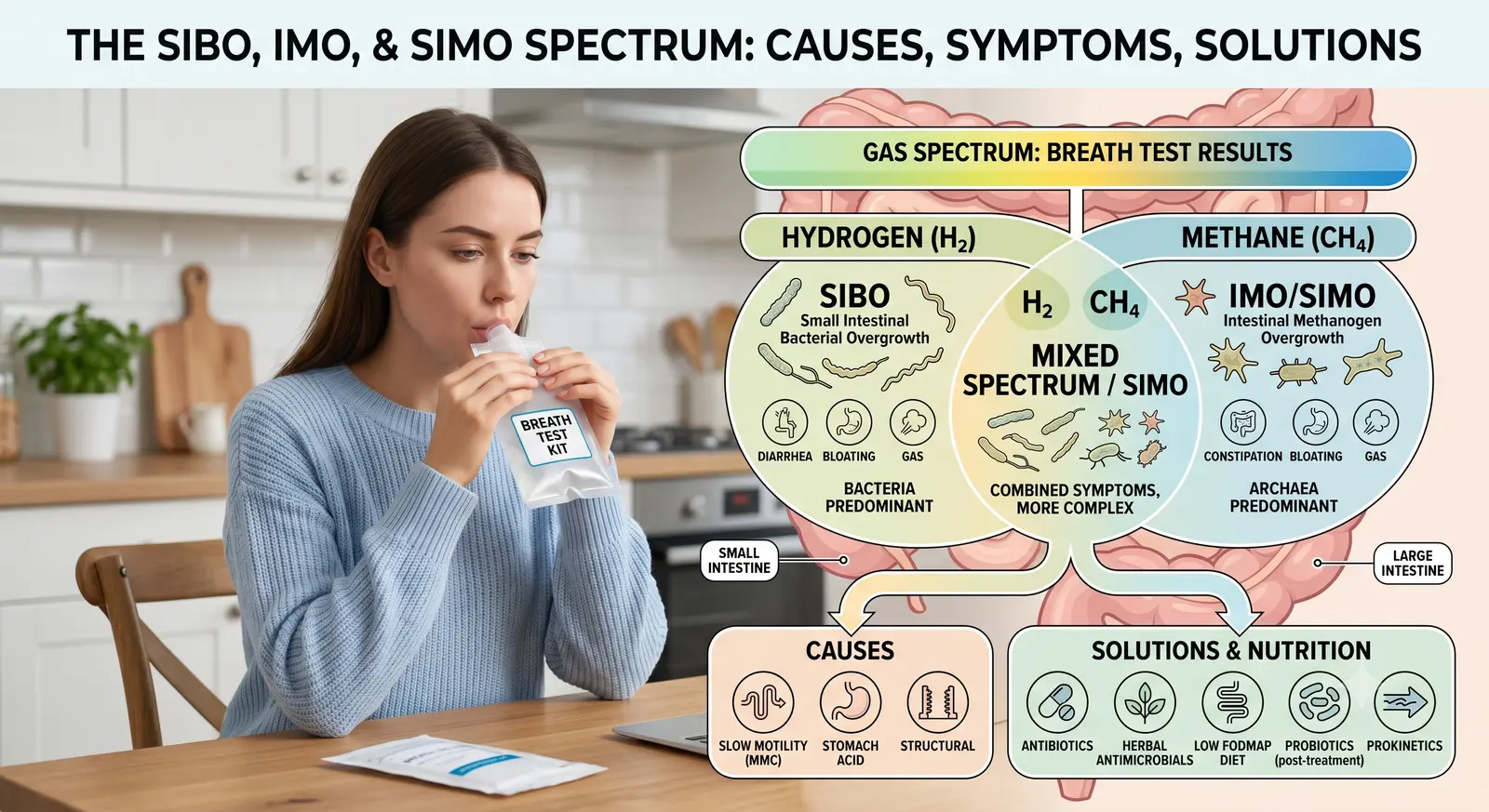
Archaea are distinct from bacteria and comprise approximately 1.2% of the gut microbiome. The dominant species is Methanobrevibacter smithii, a methanogen that consumes hydrogen and carbon dioxide to produce methane.
Metabolic Synergy: Bacterial fermentation releases hydrogen as a byproduct. Accumulation of hydrogen inhibits fermentation efficiency. By consuming hydrogen, methanogens prevent this feedback inhibition, allowing bacteria to ferment dietary fibers more completely—with implications for energy harvest and potentially obesity.
2.3 The Mycobiome: The Fungal Component
Fungi represent a small fraction (~0.1%) of microbial cells but a larger proportion of biomass due to their size. The gut mycobiome is dominated by Candida, Saccharomyces, and Malassezia.
The mycobiome is heavily implicated in IBD. Patients with Crohn's Disease often exhibit elevated levels of Candida albicans and antibodies against Saccharomyces cerevisiae (ASCA), which serves as a clinical biomarker.
2.4 The Virome: Viral Regulators
The viral component is estimated to outnumber bacterial cells by as much as 5 to 1. The vast majority are bacteriophages—viruses that infect bacteria.
Phages regulate bacterial population dynamics via the "Kill the Winner" hypothesis: as a specific bacterial strain becomes dominant, its specific phages thrive and reduce its numbers, preventing any single species from monopolizing the niche and maintaining high bacterial diversity.
3. Development and Shaping Factors
The microbiome follows a developmental trajectory from birth to senescence, shaped by host and environmental factors.
3.1 Initial Colonization: Birth and Infancy
The womb is largely sterile, and the first major inoculation occurs during birth:
- Vaginal Delivery: Infants are colonized by maternal vaginal and fecal microbiota, primarily Lactobacillus and Prevotella—the evolutionary standard.
- Cesarean Section: C-section infants are colonized by skin and environmental microbes (Staphylococcus, Streptococcus). This initial dysbiosis delays the establishment of Bifidobacterium and has been epidemiologically linked to modestly increased risk of childhood obesity, asthma, and immune disorders.
Infant Feeding
Human milk contains its own microbiome (~700 species) and Human Milk Oligosaccharides (HMOs). HMOs are indigestible by the infant but serve as selective prebiotics for Bifidobacterium infantis, which dominates the gut of breastfed infants, preventing pathogen colonization and training the immune system.
3.2 The Adult Microbiome: Nutrition as the Primary Driver
By approximately age 3, the microbiome stabilizes into an adult-like configuration. In adulthood, what we eat is the single most significant determinant of composition.
- Fiber and Microbiota Accessible Carbohydrates (MACs): A fiber-rich plant-based eating pattern selects for saccharolytic fermenters (Prevotella, Roseburia), converting fiber into health-promoting SCFAs.
- Western-Style Eating: High intake of animal fat and protein increases bile-tolerant organisms like Bacteroides and Bilophila wadsworthia. Bilophila produces hydrogen sulfide, which can damage the gut epithelium.
- Food Additives: Evidence implicates certain emulsifiers (e.g., carboxymethylcellulose, polysorbate-80) in eroding the mucus barrier and driving low-grade inflammation.
3.3 Aging and Senescence
The stability of the microbiome declines in old age. The elderly microbiome is characterized by reduced diversity, decreased SCFA producers, and increased facultative anaerobes (pathobionts). This "senescent" profile correlates with frailty and increased systemic inflammation (inflammaging).
3.4 Antibiotics: The Extinction Event
Antibiotics are the most potent disruptors of the microbiome. A single course can radically alter community structure, reducing diversity and depleting beneficial taxa. While the community often recovers, some species may be permanently lost (local extinction). Antibiotic exposure also selects for resistance genes, expanding the "resistome."
4. Metabolic Machinery: Biochemistry of the Microbiome
The microbiome significantly expands the metabolic repertoire of the human host, performing chemical transformations that human enzymes cannot.
4.1 Short-Chain Fatty Acid (SCFA) Production
The fermentation of non-digestible dietary carbohydrates (resistant starch, inulin, pectin) yields Short-Chain Fatty Acids: acetate, propionate, and butyrate. These metabolites are central to host health.
| SCFA | Primary Producers | Host Impact |
|---|---|---|
| Acetate (C2) | Bifidobacterium, Lactobacillus | Enters portal circulation for lipogenesis and energy; substrate for butyrate production |
| Propionate (C3) | Bacteroidetes | Transported to liver; regulates gluconeogenesis and satiety signaling |
| Butyrate (C4) | Faecalibacterium, Eubacterium, Roseburia | Primary energy for colonocytes (~70%); HDAC inhibitor promoting Treg differentiation |
Key Insight: Butyrate is the most critical SCFA for colonic health. It serves as the primary energy source for colonocytes, maintains mucosal hypoxia (which suppresses pathogenic facultative anaerobes), and acts as an epigenetic regulator promoting anti-inflammatory immune responses.
4.2 Vitamin Biosynthesis
Gut bacteria synthesize essential vitamins that can be absorbed by the host.
Vitamin K (Menaquinones)
Humans cannot synthesize Vitamin K de novo and rely on dietary sources and bacterial production. Key producers include Bacteroides fragilis, E. coli, and Eubacterium lentum. Antibiotic-induced dysbiosis can significantly reduce menaquinone levels, potentially affecting clotting times in patients on anticoagulants like Warfarin.
Vitamin B12 (Cobalamin)
B12 synthesis is restricted exclusively to prokaryotes. The biosynthetic pathway is remarkably complex, involving approximately 30 enzymatic steps. Producers include Propionobacterium, Pseudomonas, and Lactobacillus species.
Cross-Feeding: Most gut bacteria (>80%) require B12 for their own metabolism but cannot produce it. They rely on B12 produced by their neighbors—this interdependence (auxotrophy) creates a stable network of cooperation.
Folate, Thiamine, Riboflavin
Bifidobacterium and Bacteroides are key producers of these B-complex vitamins, essential for DNA replication and cellular energy metabolism.
4.3 Bile Acid Transformation
The liver secretes primary bile acids conjugated to glycine or taurine. In the gut, bacteria perform deconjugation (via Bile Salt Hydrolase) and 7α-dehydroxylation to convert them into secondary bile acids (deoxycholic acid, lithocholic acid).
Secondary bile acids are potent signaling molecules that bind to host nuclear receptors (FXR, TGR5) to regulate glucose metabolism, lipid profiles, and immune responses. However, high levels are also cytotoxic and linked to colorectal cancer carcinogenesis.
5. Immunological Interactions: Training, Tolerance, and Defense
The immune system does not simply "fight" bacteria; it is educated by them. The gut-associated lymphoid tissue (GALT) is the largest immune organ in the body.
5.1 Pattern Recognition and Homeostasis
Host immune cells express Pattern Recognition Receptors (PRRs), such as Toll-like Receptors (TLRs), which detect Microbe-Associated Molecular Patterns (MAMPs) like lipopolysaccharide (LPS), flagellin, and peptidoglycan.
Under normal conditions, low-level activation of TLRs by commensals is protective—it signals the epithelium to maintain tight junctions and secrete mucus. This tonic signaling is essential for barrier integrity.
5.2 Trained Immunity vs. Tolerance
- Trained Immunity: A form of "innate memory." Exposure to certain microbial stimuli induces epigenetic reprogramming in monocytes and macrophages, enhancing responsiveness to subsequent, unrelated pathogens.
- Immune Tolerance: To prevent constant inflammation, commensals like Faecalibacterium and Bacteroides fragilis actively induce Regulatory T cells (Tregs), which secrete anti-inflammatory cytokines (IL-10, TGF-β) to maintain homeostasis.
5.3 The "Old Friends" Hypothesis
The rise in autoimmune and allergic diseases in industrialized nations is attributed to the "Old Friends" Hypothesis. Humans co-evolved with specific organisms (helminths, saprophytic mycobacteria, lactobacilli) essential for immunoregulation. The loss of these "old friends" due to sanitation, antibiotics, and urban living may lead to a failure of immune regulation.
6. The Gut-Brain Axis: Neural, Chemical, and Immune Pathways
The Gut-Brain Axis (GBA) is a bidirectional communication superhighway linking the enteric nervous system (ENS) of the gut with the central nervous system (CNS).
6.1 Anatomical and Functional Pathways
- The Vagus Nerve: The primary neural conduit. Bacterial metabolites can stimulate the vagus nerve directly. Lactobacillus rhamnosus has been shown to reduce anxiety-like behavior in mice—an effect abolished if the vagus nerve is severed.
- Neurotransmitters: Gut bacteria produce neurotransmitters:
- Serotonin (5-HT): Over 90% of body serotonin is produced in the gut
- GABA: Produced by Lactobacillus and Bifidobacterium
- Dopamine: Produced by Bacillus and Serratia
- Immune Pathway: A "leaky gut" allows bacterial endotoxins (LPS) into the blood, triggering pro-inflammatory cytokines that can cross the blood-brain barrier to induce "sickness behavior."
6.2 Clinical Evidence: Mental Health
Systematic reviews consistently show that patients with Major Depressive Disorder (MDD) and Generalized Anxiety Disorder (GAD) exhibit gut dysbiosis. Common signatures include:
- Reduced alpha-diversity
- Depletion of SCFA producers (Faecalibacterium, Coprococcus)
- Enrichment of pro-inflammatory genera (Eggerthella, Enterobacteriaceae)
Causality Evidence: Transferring stool from depressed human patients into germ-free rats induces depression-like behaviors in the rodents, suggesting the microbiota alone can transfer the phenotype.
Psychobiotics: Probiotics used to treat mental health are termed "psychobiotics." Strains like Lactobacillus helveticus and Bifidobacterium longum have shown efficacy in reducing stress and improving mood, though robust clinical evidence for treating diagnosed psychiatric disorders remains an active investigation area.
7. Clinical Pathology: Dysbiosis in Disease
7.1 Obesity and Metabolic Syndrome
- The "Energy Harvest" Hypothesis: Early studies found the obese microbiome was more efficient at extracting energy from food. Transferring "obese" microbiota to germ-free mice caused more fat gain than "lean" microbiota.
- Metabolic Endotoxemia: A high-fat eating pattern increases gut permeability and LPS absorption, triggering chronic low-grade inflammation driving insulin resistance.
- Human Translation: While mechanisms are sound in mice, human trials of FMT for obesity have been largely disappointing, suggesting the microbiome is likely not the primary driver of human obesity compared to overall nutrition and genetics.
7.2 Inflammatory Bowel Disease (IBD)
IBD (Crohn's Disease and Ulcerative Colitis) is the archetype of a microbiome-mediated disease. Patients exhibit profound dysbiosis:
- Loss of diversity
- Depletion of anti-inflammatory Faecalibacterium prausnitzii
- Bloom of Enterobacteriaceae and oral-associated species like Fusobacterium
Genetic susceptibility (e.g., mutations in NOD2 or ATG16L1) impairs the host's ability to manage the microbiota, leading to a vicious cycle of inflammation and dysbiosis.
7.3 Clostridioides difficile Infection (CDI)
CDI is a disease of dysbiosis. It typically occurs after antibiotic therapy destroys colonization resistance. This allows C. difficile spores to germinate, bloom, and produce toxins.
Proof of Concept: The extraordinary success of FMT in curing recurrent CDI (>90% efficacy) is the definitive clinical proof that restoring a healthy microbiome can cure disease.
8. Therapeutic Interventions and Regulatory Landscape
8.1 Fecal Microbiota Transplantation (FMT)
FMT involves transferring stool from a healthy donor to a patient to restore microbial diversity and function.
Indications
- Recurrent CDI: The only universally accepted indication. Guidelines recommend FMT for patients with 2 or more recurrences who have failed standard antibiotics.
- Investigational Uses: FMT shows promise for Ulcerative Colitis and Graft-vs-Host Disease, but protocols are not yet standardized.
Regulatory Status (2024-2025)
| Region | Classification | Approved Indications |
|---|---|---|
| USA (FDA) | Biological Drug / Live Biotherapeutic | Recurrent CDI (Rebyota, Vowst approved 2023) |
| European Union | Mixed (varies by country) | rCDI standard; harmonization underway |
| Australia (TGA) | Biological Medicine | rCDI (risk-based tiered regulation) |
8.2 Probiotics and Prebiotics: Clinical Guidelines
Evidence-based guidelines are specific:
AGA Guidelines (2020)
- Recommended: Probiotics are conditionally recommended for:
- Prevention of C. difficile in patients taking antibiotics
- Management of Pouchitis (VSL#3/Visbiome)
- Symptomatic relief in IBS
- Not Recommended: The AGA recommends against probiotics for:
- Acute treatment of C. difficile
- Induction/maintenance of remission in Crohn's Disease
WGO Guidelines
The World Gastroenterology Organisation supports specific strains for rotavirus diarrhea in children, antibiotic-associated diarrhea, and IBS symptoms.
8.3 Next-Generation Therapeutics
The field is evolving beyond traditional probiotics to:
- Live Biotherapeutic Products (LBPs): Pharmaceutical-grade consortia of bacteria defined by their genome and function
- Postbiotics: Inanimate microbial cells or their components/metabolites, delivering immune benefits without the risk of administering live organisms to immunocompromised patients
9. Direct-to-Consumer Testing: A Critical Evaluation
A booming industry offers "gut health tests" to consumers, but the scientific community urges caution.
9.1 Analytical Validity and Reproducibility
Variability: Studies show that sending the same fecal sample to different DTC companies results in widely divergent taxonomic profiles due to lack of standardization in DNA extraction methods, sequencing platforms, and reference databases.
Lysis Bias: Different bacteria have different cell wall strengths. If extraction methods are not rigorous, they may fail to lyse gram-positive bacteria (Firmicutes), artificially inflating gram-negatives (Bacteroidetes).
9.2 Clinical Utility and "Dysbiosis"
- Defining "Healthy": There is currently no scientific consensus on what constitutes a "healthy" microbiome profile. High inter-individual variability due to genetics, geography, and nutrition makes comparisons difficult.
- Snapshot Limitation: A stool sample is a snapshot at a single point in time, heavily influenced by recent meals. It does not reflect the mucosal microbiome or small intestine community.
- Actionability: Recommendations to "correct" dysbiosis are rarely backed by rigorous clinical trials demonstrating improved health outcomes.
Key Insight: Currently, valid clinical use of stool testing is limited to targeted pathogen detection (e.g., PCR for Salmonella, C. difficile, H. pylori) and screening donors for FMT. General "microbiome profiling" remains a research tool, not a diagnostic one.
10. Our Personalized Approach at Diaeta
At Diaeta, we understand that your microbiome is unique—shaped by your birth, your environment, your medications, and especially your eating patterns. That's why our approach is fundamentally different.
What We Promise You
- Never hungry: We create meal plans that nourish your microbiome with foods you genuinely love
- No unnecessary elimination: Microbiome health is about what you ADD, not what you remove
- Evidence-based guidance: We follow AGA and WGO guidelines, not commercial hype
- Personalized strategies: Your microbiome is unique, and so is our approach to supporting it
How We Support Your Microbiome Health
- Comprehensive Assessment: We evaluate your symptoms, eating patterns, medical history, and medication use (especially antibiotics)
- Fiber Optimization: We help you progressively increase diverse fibers (MACs) that feed beneficial bacteria
- Prebiotic-Rich Foods: We introduce foods naturally rich in inulin, resistant starch, and polyphenols
- Fermented Foods: Strategic incorporation of yogurt, kefir, sauerkraut, and other fermented options
- Evidence-Based Probiotics: When indicated, we recommend specific strains backed by clinical evidence
Observed Outcomes
With our personalized approach, patients typically experience:
- Improved digestive comfort through gradual fiber optimization
- More regular bowel movements
- Better energy levels as nutrient absorption improves
- Enhanced mood and well-being through gut-brain axis support
Your microbiome can thrive. Book an appointment to discover how personalized nutrition can transform your gut health—with foods you'll actually enjoy.
Scientific References
- The Human Microbiome Project Consortium. Structure, function and diversity of the healthy human microbiome. Nature. 2012;486:207-214.
- Sender R, Fuchs S, Milo R. Revised Estimates for the Number of Human and Bacteria Cells in the Body. PLoS Biol. 2016;14(8):e1002533.
- Lozupone CA, et al. Diversity, stability and resilience of the human gut microbiota. Nature. 2012;489:220-230.
- Russell AB, et al. Type VI secretion system effectors: poisons with a purpose. Nat Rev Microbiol. 2014;12:137-148.
- Koh A, et al. From Dietary Fiber to Host Physiology: Short-Chain Fatty Acids as Key Bacterial Metabolites. Cell. 2016;165:1332-1345.
- LeBlanc JG, et al. Bacteria as vitamin suppliers to their host. Curr Opin Biotechnol. 2013;24:160-168.
- Belkaid Y, Hand TW. Role of the microbiota in immunity and inflammation. Cell. 2014;157:121-141.
- Cryan JF, et al. The Microbiota-Gut-Brain Axis. Physiol Rev. 2019;99:1877-2013.
- van Nood E, et al. Duodenal infusion of donor feces for recurrent Clostridium difficile. NEJM. 2013;368:407-415.
- Su GL, et al. AGA Clinical Practice Guidelines on the Role of Probiotics. Gastroenterology. 2020;159:697-705.