

Type 2 diabetes now affects 589 million adults worldwide—1 in 9 people. This chronic condition, often silent for years, can have significant health consequences if not properly managed. The good news? With a thorough understanding of the disease and appropriate management, it's possible to live fully while maintaining excellent blood sugar control.
This reference guide presents everything science teaches us about type 2 diabetes: its mechanisms, risk factors, diagnosis, potential complications, and most importantly, proven strategies for managing it effectively day to day.
1. What is Type 2 Diabetes?
Type 2 diabetes is a chronic metabolic disease characterized by persistent hyperglycemia—that is, blood sugar (glucose) levels that are too high. This condition results from two main dysfunctions that develop gradually:
Insulin Resistance
Insulin is a hormone produced by the pancreas that acts as a "key" allowing glucose to enter cells to provide them with energy. In type 2 diabetes, the body's cells (muscles, liver, fat tissue) become resistant to insulin's action. The "lock" doesn't work as well, and glucose has more difficulty entering cells.
Beta Cell Dysfunction
Faced with this resistance, the pancreas tries to compensate by producing more insulin. Over time, the pancreatic beta cells (which manufacture insulin) become exhausted and can no longer produce enough insulin to maintain normal blood sugar levels [1].
Key Point: Unlike type 1 diabetes (an autoimmune disease where the body destroys its own insulin-producing cells), type 2 diabetes is primarily linked to lifestyle and metabolic factors. It represents approximately 90 to 95% of all diabetes cases.
The Difference from Prediabetes
Before developing type 2 diabetes, most people go through a stage called prediabetes. At this stage, blood sugar is higher than normal but not yet high enough to diagnose diabetes. This is a critical period when lifestyle changes can still reverse the trend.
According to 2024 data from the International Diabetes Federation (IDF), 635 million adults worldwide have impaired glucose tolerance (prediabetes), placing them at high risk of developing type 2 diabetes [2].
2. How Diabetes Develops: The Biological Mechanisms
Understanding the mechanisms of type 2 diabetes helps explain why certain therapeutic strategies work and how to act effectively on the disease.
The Central Role of Insulin Resistance
Insulin resistance is the first mechanism to develop, often years before diagnosis. It develops primarily in three key tissues:
- The Liver: Normally, insulin "brakes" glucose production by the liver. With insulin resistance, the liver continues producing glucose even when it's not needed.
- Muscles: Muscles are the main consumers of glucose. When they become resistant to insulin, they absorb less glucose, which then remains in the blood.
- Fat Tissue: Insulin-resistant fat tissue releases more free fatty acids, which further worsens insulin resistance [3].
Progressive Pancreatic Exhaustion
Faced with insulin resistance, the pancreas increases its insulin production (compensatory hyperinsulinemia). This overproduction can work for years, keeping blood sugar within acceptable limits.
However, several factors progressively damage beta cells:
- Glucotoxicity: Chronic hyperglycemia itself is toxic to beta cells.
- Lipotoxicity: Excess free fatty acids also damage these cells.
- Oxidative Stress: An imbalance between free radicals and antioxidants causes cellular damage.
- Chronic Inflammation: Obesity, particularly visceral obesity, generates low-grade inflammation that contributes to beta cell dysfunction [4].
The Metabolic Vicious Cycle
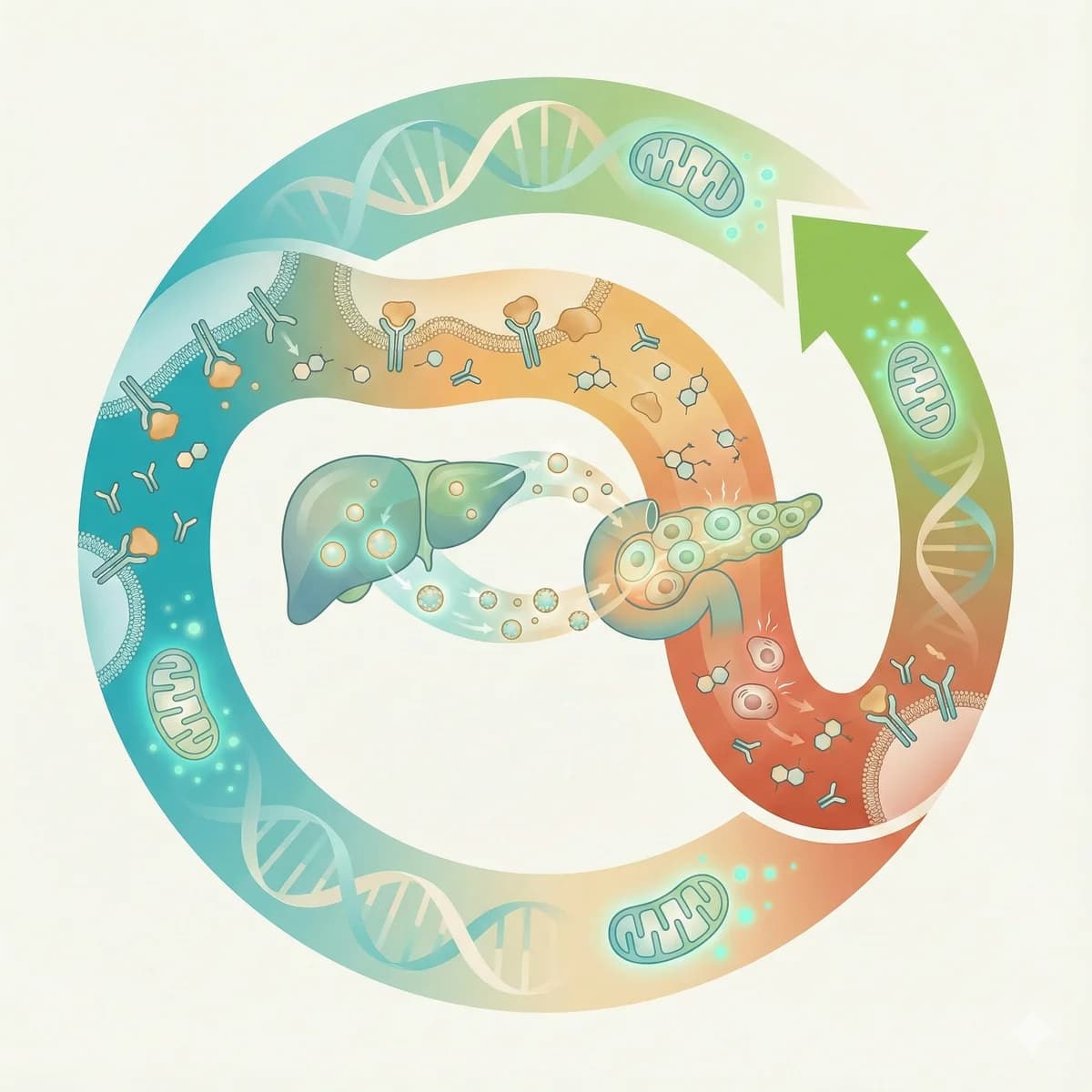
These mechanisms perpetuate themselves in a vicious cycle: insulin resistance increases blood sugar → hyperglycemia damages beta cells → insulin production decreases → blood sugar rises even further.
This is why early intervention is so important: the earlier you act, the more you can break this vicious cycle before damage becomes irreversible.
3. A Global Challenge: Epidemiology and Key Statistics
Type 2 diabetes represents one of the greatest public health challenges of the 21st century. The most recent figures from the IDF Diabetes Atlas 2024 (11th edition) are telling:
Current Global Prevalence
- 589 million adults (ages 20-79) live with diabetes—1 in 9 adults
- More than 90% of these cases are type 2 diabetes
- 252 million people (43%) don't know they have diabetes
- Diabetes caused 3.4 million deaths in 2024—1 death every 9 seconds [2]
Concerning Projections
Without major intervention, the number of people with diabetes is expected to reach:
- 643 million by 2030
- 853 million by 2050
Economic Impact
In 2024, global diabetes-related health expenditure exceeded $1 trillion USD for the first time, representing a 338% increase over 17 years.
The Situation in Belgium
Belgium is not exempt from this trend. It's estimated that approximately 6 to 8% of the Belgian adult population is affected by diabetes, with a significant number of undiagnosed cases.
Important Fact: People with type 2 diabetes have an 84% higher risk of heart failure compared to people without diabetes [2].
4. Risk Factors: Are You at Risk?
Type 2 diabetes results from a complex interaction between genetic, environmental, and lifestyle factors. Knowing these factors helps identify at-risk individuals and enables prevention.
Non-Modifiable Factors
Heredity and Genetics
The genetic component of type 2 diabetes is significant:
- Concordance in identical twins reaches about 70%, compared to 20-30% in fraternal twins
- Lifetime risk is approximately 40% if one parent has diabetes, and approaches 70% if both parents have it
- More than 150 genetic variations have been associated with type 2 diabetes risk
- The TCF7L2 gene is the most strongly associated genetic risk factor for type 2 diabetes, confirmed in multiple studies across different populations [5]
Age
Risk increases with age, particularly after 45. Research shows a direct link between aging and beta cell dysfunction, caused by a decline in their proliferation capacity.
Ethnicity
Certain populations have higher risk:
- Native American and Alaska Native populations (highest risk)
- African American populations
- Hispanic populations
- South Asian populations
Personal History
- Gestational diabetes (diabetes during pregnancy)
- Polycystic Ovary Syndrome (PCOS)
- Giving birth to a baby weighing more than 4 kg (9 lbs)
Modifiable Factors
These factors represent your levers for action:
Overweight and Obesity
Excess weight, particularly abdominal obesity (visceral fat), is the most important modifiable risk factor. Even in people with low genetic risk and favorable lifestyle, obesity multiplies the risk of type 2 diabetes by 8.4 times [6].
Sedentary Lifestyle
Lack of physical activity decreases insulin sensitivity and promotes weight gain.
Diet
A diet high in ultra-processed foods, added sugars, and saturated fats increases risk.
Metabolic Syndrome
This clustering of risk factors multiplies the risk of developing type 2 diabetes by 5:
- Abdominal obesity
- High blood pressure
- High triglycerides
- Low HDL cholesterol
- Elevated fasting blood sugar
It's estimated that approximately 85% of type 2 diabetes patients also have metabolic syndrome [7].
5. Recognizing the Symptoms
One of the challenges of type 2 diabetes is its often silent nature in the beginning. Many people live with undiagnosed diabetes for years. However, certain signs can alert you.
The Classic "3 Ps" of Diabetes
These three symptoms, linked to hyperglycemia, are the most well-known warning signs:
1. Polyuria (Frequent and Abundant Urination)
When blood sugar exceeds a certain threshold (about 180 mg/dL), the kidneys can no longer reabsorb all the glucose, which passes into the urine, taking water with it. Most people produce 1 to 2 liters of urine per day; with uncontrolled diabetes, this volume can exceed 3 liters.
2. Polydipsia (Excessive Thirst)
Water loss through urine leads to dehydration, triggering intense and persistent thirst.
3. Polyphagia (Excessive Hunger)
Despite high glucose levels in the blood, cells don't receive the energy they need (due to insulin resistance), which triggers constant hunger.
Important Note: These three symptoms often appear together but not always. In type 2 diabetes, they may develop gradually, over months or even years, making them harder to notice than in type 1 diabetes where they appear suddenly.
Other Common Symptoms
- Persistent Fatigue: Cells, deprived of glucose, lack energy. This is a very common symptom but often attributed to other causes.
- Blurred Vision: Hyperglycemia can change the shape of the eye's lens.
- Slow Healing: Wounds take longer to heal.
- Recurrent Infections: Urinary tract infections, yeast infections, skin infections.
- Numbness or Tingling: Particularly in hands and feet (early signs of neuropathy).
- Unexplained Weight Loss: Paradoxically, some people lose weight because their body, unable to use glucose, draws from fat and muscle reserves.
Why Screening is Crucial
About 1 in 5 people with diabetes don't know they have it. Studies show that many cases of type 2 diabetes aren't diagnosed until years after onset, sometimes at the complication stage.
This is why regular screening is recommended for people with risk factors, even without symptoms.
6. Diagnosis: Criteria and Tests
Diabetes diagnosis is based on precise biological criteria, defined by the American Diabetes Association (ADA) and regularly updated.
Diagnostic Criteria (ADA 2024)
Diabetes is diagnosed when any one of the following criteria is met:
| Test | Diabetes Diagnostic Value | Prediabetes |
|---|---|---|
| Fasting Plasma Glucose | ≥ 126 mg/dL (7.0 mmol/L) | 100-125 mg/dL (5.6-6.9 mmol/L) |
| HbA1c (Glycated Hemoglobin) | ≥ 6.5% (48 mmol/mol) | 5.7-6.4% |
| 2-hour Glucose after OGTT* | ≥ 200 mg/dL (11.1 mmol/L) | 140-199 mg/dL |
| Random Plasma Glucose** | ≥ 200 mg/dL (11.1 mmol/L) | — |
*OGTT: Oral Glucose Tolerance Test (glucose tolerance test with 75g of glucose)
**In the presence of classic hyperglycemia symptoms
Confirmation of Diagnosis
In the absence of obvious symptoms, the diagnosis must be confirmed by:
- Two different tests performed on the same day (e.g., HbA1c + fasting glucose), or
- The same test repeated at two different times
The Central Role of HbA1c
HbA1c (glycated hemoglobin) measures average blood sugar over the past 2 to 3 months. ADA 2024 guidelines now place this test at the forefront of the diagnostic hierarchy for both diabetes and prediabetes [8].
Advantages of HbA1c:
- No need to fast
- Less daily variation
- Reflects long-term blood sugar control
Limitations: Certain conditions can affect results (anemia, hemoglobinopathies, pregnancy, G6PD deficiency). In these cases, plasma glucose measurement is preferred.
Additional Tests at Diagnosis
Once diabetes is diagnosed, other tests are recommended to assess overall health and check for any complications already present:
- Lipid panel (cholesterol, triglycerides)
- Kidney function (creatinine, glomerular filtration rate)
- Microalbuminuria screening (protein in urine)
- Dilated eye exam (retinopathy)
- Electrocardiogram
- Foot examination
7. Complications: Why Management Matters
Poorly controlled or uncontrolled type 2 diabetes can lead to serious complications, affecting many organs. These complications are classified into two main categories.
Microvascular Complications
These complications affect small blood vessels, particularly in tissues where glucose uptake is independent of insulin (retina, kidneys, peripheral nerves) [9].
Diabetic Retinopathy
- Perhaps the most common microvascular complication
- Responsible for approximately 10,000 new cases of blindness per year in the United States
- Systematic screening (annual dilated eye exam) has significantly reduced diabetes-related vision loss
Diabetic Nephropathy
- Leading cause of end-stage renal failure in developed countries
- Early, aggressive treatment of microalbuminuria reduces the risk of progression to kidney failure
- Strongly associated with proliferative retinopathy and cardiovascular disease
Diabetic Neuropathy
- Affects up to 50% of diabetes patients
- Manifests as numbness, tingling, pain, loss of sensation
- Primarily affects the feet (risk of undetected wounds)
- Can also affect the autonomic nervous system (digestion, heart function, sexual function)
Macrovascular Complications
These complications affect large blood vessels and are the leading cause of death in people with diabetes.
Cardiovascular Disease
- People with diabetes have a 2 to 4 times higher risk of heart disease
- Heart attack
- Heart failure (84% increased risk)
- Accelerated atherosclerosis
Stroke
Significantly increased risk in people with diabetes.
Peripheral Arterial Disease
Reduced blood flow to the legs, which can lead to ulcers, infections, and in severe cases, amputation.
The Link Between Micro and Macrovascular Complications
Observational studies have shown that microvascular and macrovascular complications often develop simultaneously. The presence of microvascular complications is significantly associated with increased cardiovascular morbidity and mortality [9].
Preventing Complications
Large clinical studies (UKPDS, DCCT) have clearly demonstrated that complication progression is linked to blood sugar control. Maintaining HbA1c ≤ 6.5% minimizes disease progression.
Managing complications requires intensive control of:
- Blood sugar
- Blood pressure
- Blood lipids
- Weight
- Smoking cessation
8. Living with Diabetes: Your Management Plan
Type 2 diabetes management rests on four fundamental pillars: nutrition, physical activity, medication treatment if necessary, and self-monitoring.
Pillar 1: Nutrition
Nutrition plays a central role in diabetes management. An appropriate nutritional approach can significantly improve blood sugar control and reduce medication needs.
Mediterranean Diet: The Gold Standard
Among all nutritional approaches studied, the Mediterranean-style diet has the highest level of scientific evidence [10].
A recent study (PREDIMED-Plus, the largest nutritional study ever conducted in Europe) showed that combining a moderately calorie-reduced Mediterranean diet with exercise and professional support reduces the risk of type 2 diabetes by 31% [11].
Benefits of the Mediterranean diet for people with diabetes:
- Improved HbA1c
- Reduced triglycerides
- Increased HDL cholesterol ("good cholesterol")
- Reduced overall cardiovascular risk
- Good long-term adherence
Key Nutritional Principles
- Complex, low glycemic index carbohydrates: Legumes, whole grains, vegetables. They release energy gradually, avoiding blood sugar spikes.
- Abundant fiber: At least 14g per 1000 kcal consumed. Fiber slows carbohydrate absorption.
- Healthy fats: Olive oil, fatty fish, nuts. Monounsaturated fatty acids and omega-3s improve insulin sensitivity.
- Quality proteins: Fish, legumes, poultry, eggs.
- Limit added sugars and ultra-processed foods
Recommended Distribution
For people with diabetes, a balanced distribution might be:
- 40-50% carbohydrates
- 15-25% protein
- 25-35% fat (less than 7% saturated)
- Less than 2300mg sodium per day
Our approach at Diaeta: We don't believe in restrictive approaches. Our philosophy is that you should never be hungry and should only eat foods you find delicious. Together, we create a personalized meal plan adapted to your tastes, culture, and lifestyle.
Pillar 2: Physical Activity
Physical activity is an essential pillar of diabetes management, with solid scientific evidence of its effectiveness [12].
Proven Benefits
- Improved insulin sensitivity
- Reduced HbA1c
- Decreased post-meal blood sugar
- Reduced triglycerides and blood pressure
- Improved body composition
Recommendations
The American Diabetes Association recommends:
- At least 150 minutes per week of moderate-intensity aerobic activity (brisk walking, cycling, swimming)
- Resistance exercises (weights, resistance bands) 2-3 times per week
- Combined exercise (aerobic + resistance) produces the best results for blood sugar control
A recent meta-analysis (2024) suggests that the optimal dose of physical activity for people with diabetes might be 244 minutes per week of moderate activity, more than current general recommendations [13].
Exercise Timing
Physical activity after meals particularly reduces post-meal blood sugar. Exercise later in the day seems to benefit blood sugar control and insulin sensitivity more.
Pillar 3: Medication Treatment
When lifestyle alone isn't enough to achieve blood sugar goals, medications become necessary. The therapeutic arsenal has expanded considerably in recent years [14].
Metformin: First-Line Treatment
Metformin remains the first-choice medication for type 2 diabetes:
- Reduces glucose production by the liver
- Improves insulin sensitivity
- No risk of hypoglycemia
- Generally well tolerated (digestive issues possible initially)
Revolutionary New Drug Classes
ADA 2024 guidelines highlight two drug classes that have demonstrated benefits beyond simple blood sugar control:
GLP-1 Receptor Agonists (liraglutide, semaglutide, dulaglutide):
- Stimulate insulin secretion in a glucose-dependent manner
- Promote satiety and weight loss
- Reduce cardiovascular risk and mortality
- Reduce stroke risk
SGLT-2 Inhibitors (empagliflozin, dapagliflozin, canagliflozin):
- Eliminate glucose through urine
- Promote weight loss
- Reduce overall mortality
- Protect the kidneys (slow kidney disease progression)
- Reduce hospitalizations for heart failure
ADA 2024 Recommendation: For people with diabetes who have established cardiovascular disease, heart failure, or chronic kidney disease, an SGLT-2 inhibitor and/or GLP-1 agonist is recommended regardless of HbA1c level, with or without metformin.
Other Options
- DPP-4 Inhibitors (sitagliptin, saxagliptin): well tolerated, modest effect
- Sulfonylureas: effective but risk of hypoglycemia
- Insulin: may be necessary when beta cells are severely weakened
Pillar 4: Self-Monitoring
Regularly monitoring blood sugar and HbA1c allows treatment adjustment and maintains good control.
HbA1c Goals
Goals are individualized, but generally:
- < 7% for most adults with diabetes
- < 6.5% if achievable without hypoglycemia risk, for recently diagnosed patients with long life expectancy
- < 8% may be acceptable for elderly, frail individuals, or those with significant comorbidities [15]
Blood Glucose Self-Monitoring
For people on insulin or medications with hypoglycemia risk, regular blood glucose self-monitoring is recommended. For others, it's not routinely necessary but can help understand the impact of food and physical activity.
The Importance of Patient Education
Diabetes self-management education is associated with HbA1c improvement of up to 0.76%, with effectiveness directly correlated to time spent with the educator [16].
Patients who know their HbA1c goal are more likely to monitor their blood sugar (74% vs 55% for those who don't know it).
9. Prevention: Can Type 2 Diabetes Be Avoided?
The answer is a resounding yes, at least for a large proportion of cases. The Diabetes Prevention Program (DPP), one of the most important prevention studies ever conducted, demonstrated this spectacularly [17].
The Diabetes Prevention Program Results
This American study, initiated by the NIH in 1996, followed thousands of people with prediabetes:
- Intensive lifestyle intervention (7% weight loss + 150 min physical activity/week) reduced diabetes risk by 58%
- In people 60 and older, this reduction reached 71%
- Metformin alone reduced risk by 31%
- Benefits persisted after 15 years of follow-up, with a maintained 27% risk reduction
Key Components of Prevention
Moderate Weight Loss
Losing just 5 to 7% of body weight (4-6 kg for an 80 kg person) can significantly reduce the risk of progressing to diabetes.
Regular Physical Activity
150 minutes per week of moderate activity (like brisk walking) is enough to significantly improve insulin sensitivity.
Balanced Diet
Favoring whole foods, rich in fiber, and limiting ultra-processed products.
Structured Prevention Programs
Diabetes prevention programs exist in many countries, based on the DPP model. These programs, typically lasting one year, combine:
- Individual support from a "lifestyle coach"
- Structured educational sessions
- Physical activity support
- Personalized behavioral strategies
An analysis of real-world programs showed that 35.5% of participants achieved the 5% weight loss goal [18].
Key Message: Type 2 diabetes is not inevitable. Even with genetic predisposition, appropriate lifestyle changes can significantly reduce, or even prevent, its onset.
10. Is Remission Possible?
A question many patients ask: can type 2 diabetes be "cured" or put into remission? Recent research provides encouraging answers.
Definition of Remission
Diabetes remission occurs when blood sugar returns to normal levels without diabetes medications for an extended period (typically at least 3 months with HbA1c < 6.5%).
Weight Loss: Key to Remission
There is a strong correlation between the amount of weight loss and the likelihood of remission, regardless of treatment used [19].
Non-Surgical Approaches
- Intensive low-calorie approaches (very low calorie diets under medical supervision)
- Low-carbohydrate diets
- Intensive physical activity programs
- New medications (GLP-1 agonists) facilitating significant weight loss
Bariatric Surgery
For people with severe obesity, bariatric surgery offers the highest remission rates:
- At 1 year: 53% remission in the surgery group vs only 5.4% with standard medical management
- Superiority is maintained at 2 years (RR 7.42), 3 years (RR 16.97) and even beyond 5 years (RR 4.26) [19]
- At 7-year follow-up, surgical patients maintain an average weight loss of 20% (vs 8% with medical management), and 54% achieve HbA1c < 7% (vs 27%) [20]
Mechanisms of Remission
Remission is primarily based on:
- Reduced insulin resistance (through weight loss)
- "Rest" for pancreatic beta cells (which no longer need to overproduce insulin)
- Reduced visceral and liver fat
- Hormonal changes (particularly after surgery)
A Window of Opportunity
Chances of remission are better in people who are:
- Recently diagnosed (less irreversible damage to beta cells)
- Have better blood sugar control at baseline
- Taking fewer diabetes medications
- Able to achieve significant weight loss
Important to Understand: Remission is not a "cure." Type 2 diabetes is a chronic condition, and even in remission, the risk of recurrence exists. Regular follow-up and maintaining a healthy lifestyle remain essential.
Conclusion
Type 2 diabetes is a complex but manageable condition. Current scientific knowledge offers us more tools than ever to prevent it, control it, and in some cases, reverse it.
Key Messages to Remember:
- Type 2 diabetes results from an interaction between genetic predisposition and lifestyle factors.
- Early intervention—even before diabetes diagnosis—can significantly prevent or delay the disease.
- Lifestyle (nutrition and physical activity) remains the fundamental pillar of management, whether or not you take medication.
- New treatments (GLP-1 agonists, SGLT-2 inhibitors) offer benefits that go far beyond simple blood sugar control.
- With appropriate management, it's possible to live fully while maintaining excellent blood sugar control.
- Remission is possible for some patients, particularly with significant weight loss.
At Diaeta, we support people with diabetes with a personalized, compassionate, evidence-based approach. Our philosophy: help you achieve your health goals while continuing to enjoy your food. No hunger, no deprivation—just delicious food adapted to your needs.
Scientific References
This article is based on the following sources from peer-reviewed scientific literature and recommendations from major scientific societies:
- Khin PP, Lee JH, Jun HS. Pancreatic Beta-cell Dysfunction in Type 2 Diabetes. European Journal of Inflammation. 2023;21. doi:10.1177/1721727X231154152
- International Diabetes Federation. IDF Diabetes Atlas, 11th edition. Brussels: IDF; 2024. Available at: diabetesatlas.org
- DeFronzo RA. Pathogenesis of type 2 diabetes mellitus. Med Clin North Am. 2004;88(4):787-835.
- Khin PP, Lee JH, Jun HS. Pancreatic β-cell dysfunction in type 2 diabetes: Implications of inflammation and oxidative stress. World J Diabetes. 2023;14(4):378-391.
- McCarthy MI. Genomics, Type 2 Diabetes, and Obesity. N Engl J Med. 2010;363:2339-2350.
- Langenberg C, et al. Obesity, unfavourable lifestyle and genetic risk of type 2 diabetes: a case-cohort study. Diabetologia. 2020;63:1324-1332.
- Grundy SM. Metabolic syndrome: connecting and reconciling cardiovascular and diabetes worlds. J Am Coll Cardiol. 2006;47:1093-1100.
- American Diabetes Association Professional Practice Committee. 2. Diagnosis and Classification of Diabetes: Standards of Care in Diabetes—2024. Diabetes Care. 2024;47(Suppl 1):S20-S42.
- Fowler MJ. Microvascular and Macrovascular Complications of Diabetes. Clinical Diabetes. 2011;29(3):116-122.
- Esposito K, et al. A journey into a Mediterranean diet and type 2 diabetes: a systematic review with meta-analyses. BMJ Open. 2015;5:e008222.
- Salas-Salvadó J, et al. Effect of a Lifestyle Intervention Program With Energy-Restricted Mediterranean Diet and Exercise on Weight Loss and Cardiovascular Risk Factors: One-Year Results of the PREDIMED-Plus Trial. Diabetes Care. 2019;42:777-788.
- Colberg SR, et al. Physical Activity/Exercise and Diabetes: A Position Statement of the American Diabetes Association. Diabetes Care. 2016;39(11):2065-2079.
- Pan B, et al. Personalizing Physical Activity for Glucose Control Among Individuals With Type 2 Diabetes. Diabetes Care. 2024;47:196-210.
- American Diabetes Association Professional Practice Committee. 9. Pharmacologic Approaches to Glycemic Treatment: Standards of Care in Diabetes—2024. Diabetes Care. 2024;47(Suppl 1):S158-S178.
- NICE. Type 2 diabetes in adults: management. NICE guideline [NG28]. 2022.
- Pillay J, et al. The effect of diabetes self-management education on HbA1c and quality of life in African-Americans: a systematic review and meta-analysis. BMC Health Serv Res. 2018;18:367.
- Knowler WC, et al. Reduction in the incidence of type 2 diabetes with lifestyle intervention or metformin. N Engl J Med. 2002;346:393-403.
- Ely EK, et al. A National Effort to Prevent Type 2 Diabetes: Participant-Level Evaluation of CDC's National Diabetes Prevention Program. Diabetes Care. 2017;40(10):1331-1341.
- Hu Y, et al. Diabetes remission of bariatric surgery and nonsurgical treatments in type 2 diabetes patients: a systematic review and meta-analysis. BMC Endocr Disord. 2023;23:63.
- Courcoulas AP, et al. Long-Term Outcomes of Medical Management vs Bariatric Surgery in Type 2 Diabetes. JAMA. 2024;331(8):654-664.
This article was written for educational purposes and does not replace a medical consultation. If you have symptoms or risk factors for diabetes, consult your physician.
Last updated: December 2024