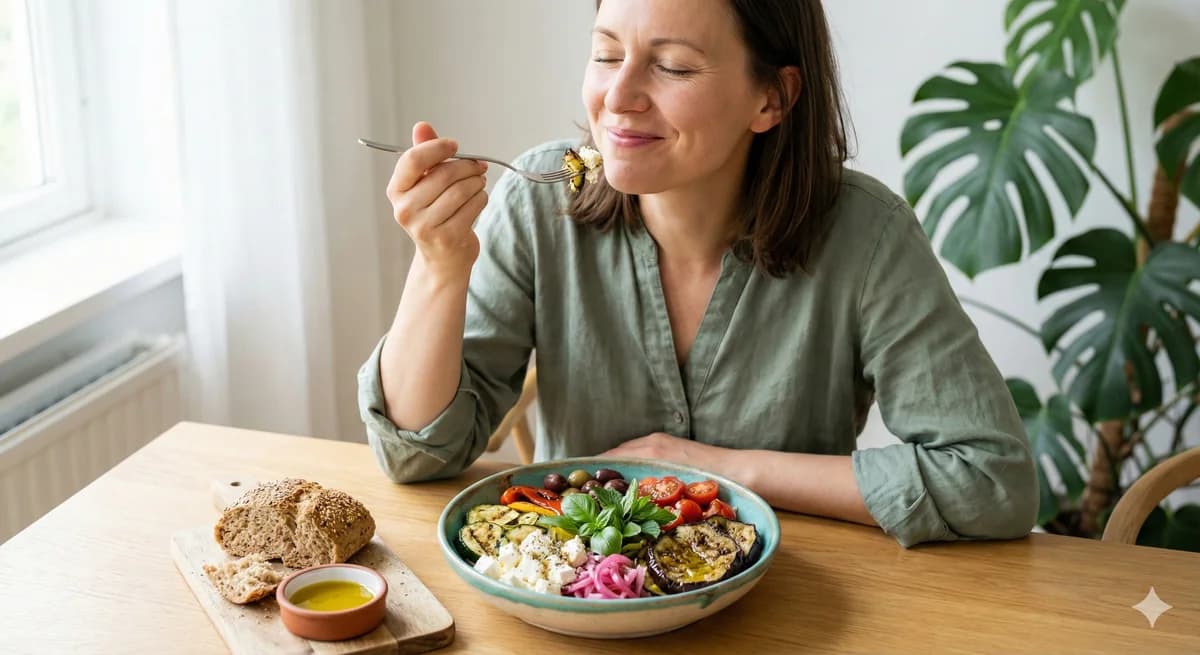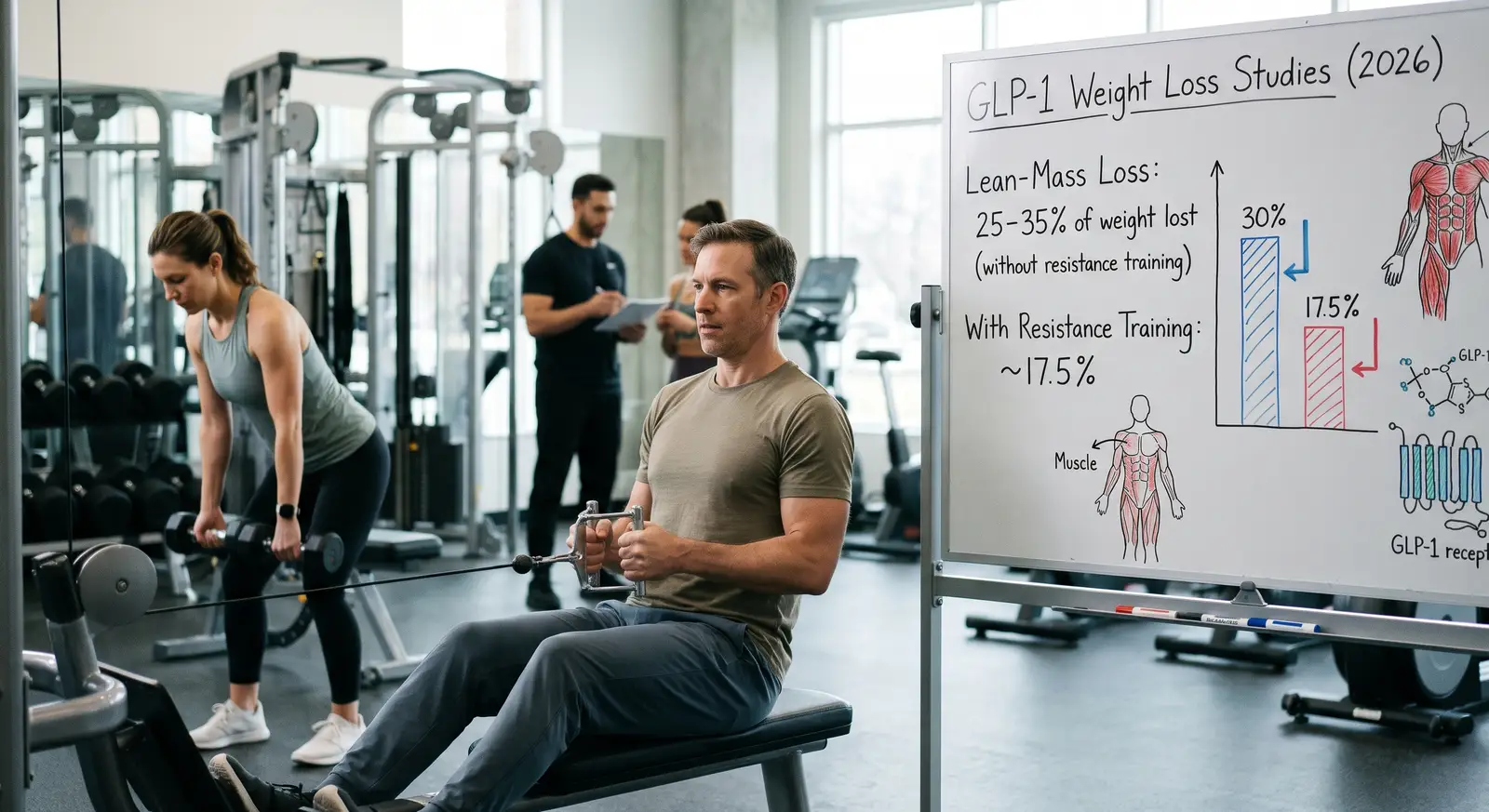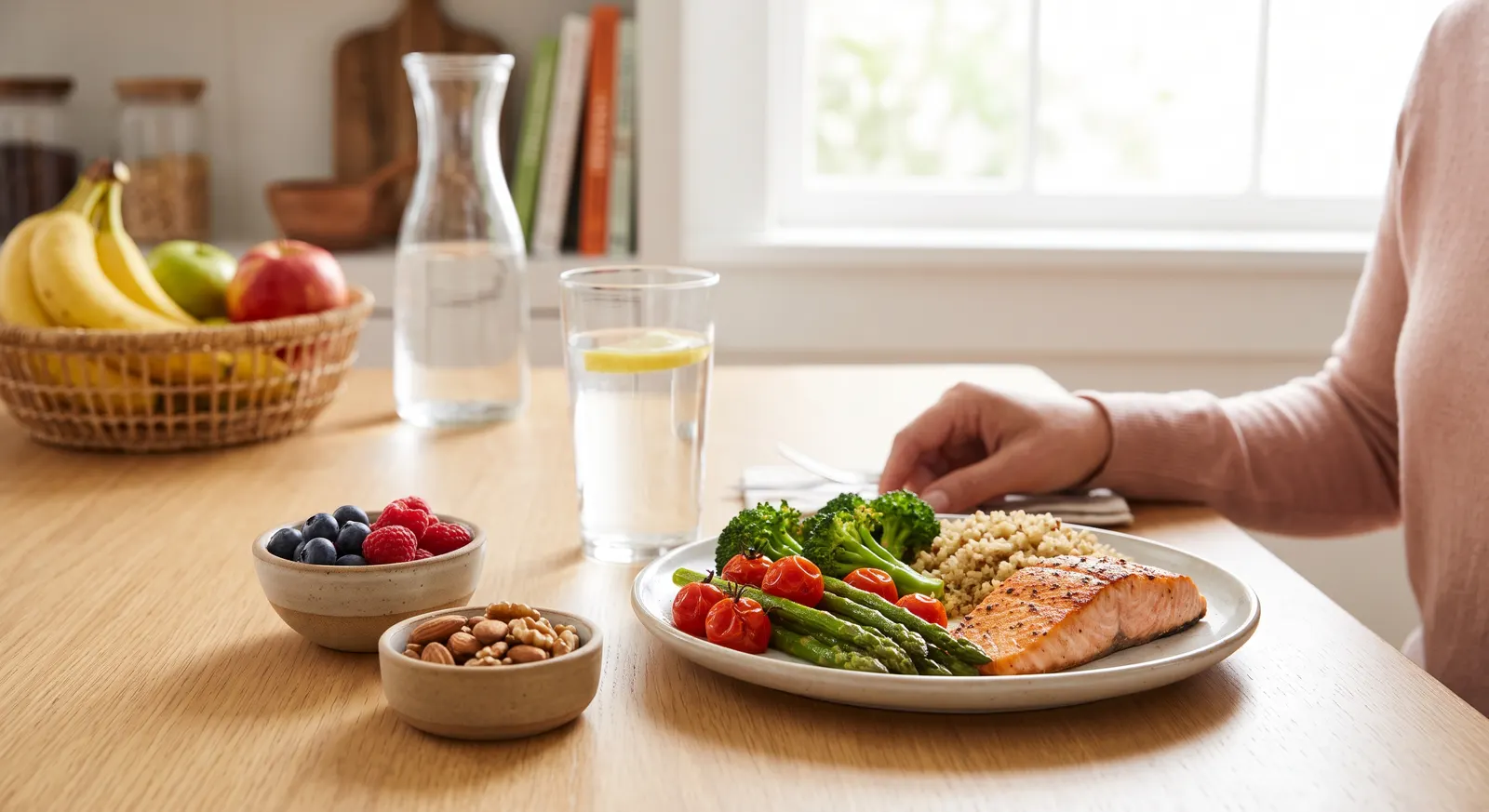

On Ozempic, Wegovy or Mounjaro, the question changes. You no longer ask how to eat less, but how to eat well when your appetite has shrunk. Studies show that these medications reduce spontaneous food intake by about 40%. The main risk is therefore not excess. Protein, fibre and vitamins are what run short when plates get smaller.
This guide gives you a practical method: how to build a plate when three bites fill you up, what a typical day looks like, how to eat at a restaurant, and what to do on days of nausea or constipation. It draws on the joint advisory published in 2025 by four American scientific societies and on the European EASO framework.
To understand how these medications work, see our complete guide to GLP-1 medications. To protect your muscle mass, read our article on muscle on Ozempic and Mounjaro.
Our promise at Diaeta: meals without hunger, built from foods you find tasty and adapted to your current appetite. We work in coordination with your doctor, who remains responsible for your treatment.
Important: if you vomit several days in a row, can no longer drink or have intense abdominal pain, contact your doctor straight away. These signs call for medical advice, not a menu adjustment.
1. The Key Facts in 7 Points
- No official food list comes with Ozempic, Wegovy or Mounjaro. Scientific societies set priorities, not a menu.
- The number one risk is eating too little: too little protein, fibre and micronutrients.
- Start every meal with protein: about 20 to 30 g, or one portion of fish, poultry, eggs, skyr, tofu or pulses.
- Keep vegetables and fibre at every meal, increasing them gradually. In an Italian study, no GLP-1 user reached the recommended fibre intake.
- Eat small portions, eat slowly, and stop at the first sign of fullness. Your stomach empties more slowly: the "last bite" often costs you nausea.
- Drink without waiting for thirst, which GLP-1 medications also dampen.
- Have certain vitamins checked with your doctor: in a large American study, 22% of new users had received a diagnosis of nutritional deficiency after one year.
2. There Is No "Ozempic Diet"
Type "Ozempic diet" into a search engine and you will find lists of forbidden foods, 1,000-calorie menus and "GLP-1 special" recipes. None of these lists comes from a scientific authority. The STEP and SURMOUNT clinical trials paired the medication with general lifestyle advice, not with a specific eating plan.
In 2025, four American scientific societies (the American College of Lifestyle Medicine, the American Society for Nutrition, the Obesity Medicine Association and The Obesity Society) published a joint advisory on nutrition during GLP-1 treatment. It identifies the challenges to address:
- digestive side effects;
- nutritional deficiencies linked to lower intake;
- loss of muscle and bone;
- weight regain after stopping.
The advisory recommends assessing your habits, your preferences and your relationship with food before treatment starts, then supporting you throughout. It names follow-up with a dietitian among the ways to achieve this. In Europe, the EASO framework (European Association for the Study of Obesity), published in 2025 in Nature Medicine and updated in 2026, places nutrition therapy among the foundations of any drug treatment for obesity.
Key insight: the medication reduces quantity. Your plate decides quality. With less room, every bite has to deliver more.
3. The Real Risk: Eating Too Little
In a randomised trial with oral semaglutide, participants spontaneously ate 39% fewer calories than on placebo at an ad libitum meal. Their food cravings also dropped. That is the intended effect. It has a flip side: when you eat half as much, you risk running short of everything.
- Protein: a real-world study published in 2025 measured about 0.6 g per kilo per day in GLP-1 users, half the target proposed by experts.
- Fibre: in a study conducted in Turin in people with type 2 diabetes, no GLP-1 user met the recommendations.
- Micronutrients: in an American database of more than 461,000 new users, 12.7% had received a diagnosis of nutritional deficiency at 6 months and 22.4% at 12 months. Vitamin D came first.
A rarer signal deserves your attention. Researchers have recorded cases of Wernicke encephalopathy, a serious neurological condition caused by a lack of vitamin B1 (thiamine), in people taking semaglutide or tirzepatide. Almost all of them had vomited or eaten very little for weeks. These cases remain exceptional. They justify a simple rule: persistent vomiting means you should see your doctor.
4. Building Your GLP-1 Plate
Use a smaller plate (about 20 cm in diameter) and fill it in this order of priority:
| Priority | Share of the plate | Examples |
|---|---|---|
| 1. Protein | One third | Fish, poultry, eggs, lean meat, tofu, tempeh, skyr, quark or fromage frais, lentils, chickpeas |
| 2. Vegetables | One third | Cooked if your digestion is sensitive: carrots, courgettes, green beans, pumpkin, spinach, braised chicory (Belgian endive) |
| 3. Quality starches | A small third | Potatoes, wholemeal bread, rolled oats, brown rice, quinoa, wholewheat pasta |
| 4. A touch of healthy fats | One spoonful | Olive or rapeseed oil, avocado, nuts, seeds, a little cheese |
4.1 Protein first
Eat the protein portion before the rest. You will finish it before fullness sets in. Aim for about 20 to 30 g per meal: 100 g of chicken breast provides about 30 g, 100 g of salmon about 24 g, 150 g of skyr about 15 g, two eggs about 12 g. Your total target depends on your weight, your age and your kidney function. Experts propose at least 1.2 g per kilo per day.
4.2 Fibre, without rushing
Fibre feeds your gut microbiota, improves transit and stabilises blood sugar. Increase it in small steps, over two to three weeks, while drinking more at the same time: one extra portion of vegetables, then rolled oats at breakfast, then pulses twice a week. A sudden increase causes bloating, which your slowed stomach tolerates poorly.
4.3 Keeping some fat
A very fatty meal stays in the stomach for a long time and encourages nausea on GLP-1 medications. Cutting out almost all fat does not help either. Rapid weight loss increases the risk of gallstones, and a meta-analysis of 76 trials found a 37% higher risk of gallbladder disease on GLP-1 medications. A small amount of fat at each meal makes the gallbladder contract. This link rests on physiology and on bariatric surgery studies: no GLP-1 trial has tested it yet. A spoonful of oil, a few nuts or a little avocado is enough.
4.4 The pace of the meal
- Take 20 minutes to eat, putting your cutlery down between bites.
- Stop at the first sign of fullness, even if food is left. Keep the rest for later.
- Plan three small meals and one or two snacks rather than two large meals.
- Avoid lying down in the two hours after a meal if you have reflux.
5. A Typical Day
Here is an example for a person with a target of about 90 g of protein. The quantities are a guide: adapt them to your appetite.
| Time | Example | Protein (approx.) |
|---|---|---|
| Breakfast | 150 g of skyr, rolled oats, raspberries, a spoonful of chia seeds | 20 g |
| Snack | A slice of wholemeal bread with 30 g of cheese | 10 g |
| Lunch | Two-egg omelette with spinach and feta, tomato salad, one small potato | 20 g |
| Snack | A glass of milk or soya drink and a handful of almonds | 12 g |
| Dinner | 100 g of baked salmon, roasted carrots and courgettes, two spoonfuls of quinoa, a drizzle of olive oil | 27 g |
| Total | about 89 g |
Vegetarian option: replace the salmon with 150 g of firm tofu stir-fried with sesame, and the snack cheese with hummus on wholemeal bread. Combine pulses and grains over the day to cover your amino acid needs.
6. Days When Digestion Struggles
Digestive effects affect about 30 to 50% of users, especially at the start of treatment and at each dose increase. The 2026 reviews recommend adapting what you eat before turning to medication for these symptoms. The advice below comes from clinical experience and expert consensus: no trial has compared eating protocols with one another.
6.1 Nausea
- Split your intake: five small servings work better than three meals.
- Choose cold or lukewarm foods with less smell: yoghurt, quark or fromage frais, cold chicken, rice, stewed fruit, lukewarm soup.
- Go for fresh flavours: lemon, ginger, mint.
- Drink between meals rather than during them, in small sips.
- Fried or very rich meals sit less well on difficult days. Save them for days when you feel good, in a small portion.
6.2 Constipation
- Increase fibre gradually: kiwis, prunes, pears, cooked vegetables, rolled oats, ground flaxseed.
- Drink at least 1.5 to 2 litres a day, unless your doctor advises otherwise.
- Walk every day: 10 minutes after a meal helps transit and blood sugar.
- If nothing moves after a few days, talk to your doctor or pharmacist.
6.3 Reflux and a feeling of fullness
- Reduce your evening portion sizes and have dinner at least three hours before bed.
- Cut back on fizzy drinks, which bloat the stomach.
6.4 What about alcohol?
Many people on GLP-1 medications find that alcohol tempts them less. A trial published in The Lancet in 2026 observed fewer heavy-drinking days on semaglutide in people with alcohol use disorder. Alcohol brings calories without nutrients, dehydrates you and can worsen nausea. If you drink, keep to a small amount, with a meal, and a glass of water alongside.
7. Drinking Enough Without Feeling Thirsty
GLP-1 medications reduce appetite, and often the sensation of thirst too. You eat less, so you get less water from food. Vomiting and diarrhoea add further losses. Dehydration encourages constipation, fatigue and headaches.
- Keep a bottle in sight and sip throughout the day.
- Soups, herbal teas, milk and water-rich fruit all count.
- Watch the colour of your urine: pale yellow means you are drinking enough.
- If you have diarrhoea or vomiting, ask your pharmacist about an oral rehydration solution.
8. At a Restaurant, With Family, While Travelling
Treatment should not keep you from shared moments. A few habits are enough:
- Order a starter as your main course, or share a dish. In a brasserie, a portion of mussels, a salmon tartare or a salad with grilled chicken work well.
- Start with the protein, then the vegetables. If your appetite allows, enjoy some chips or bread.
- Ask for a box to take the rest home. Many Brussels restaurants now offer this.
- Let your family and friends know that you eat smaller amounts. You avoid having to explain yourself at every meal.
- When travelling, keep protein snacks in your bag: cheese portions, nuts, drinking yoghurt, a protein bar.
To enjoy your favourite dishes without a blood sugar spike, also discover our food order method and the benefits of a walk after meals.
9. Vitamins and Minerals to Monitor
With less food, some intakes become hard to cover. The 2025 and 2026 reviews prioritise:
| Nutrient | Why | Where to find it |
|---|---|---|
| Vitamin D | Most common deficiency in GLP-1 users | Oily fish, eggs; a supplement is often needed in winter in Belgium |
| Iron | Lower ferritin observed on GLP-1 medications | Red meat, black pudding, pulses and wholegrains with a fruit rich in vitamin C |
| Vitamin B12 | Declines over time, especially with metformin | Fish, meat, eggs, dairy products |
| Thiamine (B1) | Risk with prolonged vomiting | Pork, wholegrains, pulses, seeds |
| Calcium | Intake often insufficient, a concern for bones | Dairy products, calcium-rich mineral waters, calcium-set tofu, almonds |
| Magnesium and potassium | Low intakes in dietary records | Green vegetables, pulses, fruit, nuts, dark chocolate |
No official guideline yet requires routine blood tests during GLP-1 treatment. Experts propose a risk-based approach: talk with your doctor about testing vitamin D, B12 and iron at the start of treatment, then after a few months. A multivitamin can help if your meals stay very small, but it does not replace varied eating. To learn more about magnesium, read our practical guide to magnesium.
10. Frequently Asked Questions
What should you eat on Ozempic?
No food is forbidden. Favour small meals that start with a protein source (20 to 30 g), with vegetables, a quality starch and a little healthy fat. Eat slowly and stop at the first sign of fullness.
Should you count calories on Mounjaro?
Rarely. The medication already reduces your intake. Checking that you eat enough protein, fibre and micronutrients is more useful. If you eat very little, follow-up with a dietitian helps detect an intake that is too low.
Which foods are harder to tolerate on GLP-1 medications?
Very fatty or fried meals, large portions, fizzy drinks and very sweet dishes more often cause nausea, reflux or discomfort, especially at the start of treatment. Tolerance varies from one person to another and often improves over time.
How many meals a day on Wegovy?
Three small meals and one or two snacks suit most people. This rhythm makes it easier to get enough protein without overloading the stomach.
Can you skip meals when you are not hungry?
Skipping a meal now and then is not a problem. Skipping meals every day lowers your protein and micronutrient intake. If you are not hungry, have at least a small protein snack, such as a Greek yoghurt or an egg.
Are the "GLP-1" supplements sold online useful?
No supplement reproduces the effect of a GLP-1 medication. A protein powder or a multivitamin can help out when food is not enough, on the advice of a health professional.
11. Our Personalised Approach at Diaeta
In Brussels, we support people on Ozempic, Wegovy or Mounjaro from the first month through to the maintenance phase. Our goal: every small meal should nourish you and give you pleasure.
What We Promise You
- Never hungry: filling meals adapted to the appetite your treatment leaves you.
- Foods you love: your favourite dishes stay on the menu, in adjusted portions.
- Evidence-based advice: our recommendations follow the 2025 joint advisory and the European EASO framework.
- A plan that evolves with every dose step and every change in appetite.
How We Support You
- Comprehensive assessment: your habits, your tastes, your treatment, your other health conditions.
- Body composition analysis to check that you are losing fat and keeping your muscle.
- A personalised meal plan with your protein and fibre targets, snack ideas and dishes for nausea days.
- Coordination with your doctor, especially for blood tests.
To find out more, see our GLP-1 support and our weight loss support. If you live with diabetes, visit our diabetes page.
Are you starting or already on treatment with Ozempic, Wegovy or Mounjaro? Book an appointment for a personalised consultation in Brussels.
Scientific References
- Mozaffarian D, et al. Nutritional priorities to support GLP-1 therapy for obesity: a joint Advisory from the American College of Lifestyle Medicine, the American Society for Nutrition, the Obesity Medicine Association, and The Obesity Society. Am J Clin Nutr. 2025;122(1):344-367. doi:10.1016/j.ajcnut.2025.04.023. PMID: 40450457.
- McGowan B, Ciudin A, et al. A systematic review and framework for the pharmacological treatment of obesity and its complications (EASO). Nat Med. 2025. doi:10.1038/s41591-025-03765-w.
- Gabe MBN, Breitschaft A, Knop FK, et al. Effect of oral semaglutide on energy intake, appetite, control of eating and gastric emptying in adults living with obesity: a randomized controlled trial. Diabetes Obes Metab. 2024;26(10):4480-4489. doi:10.1111/dom.15802. PMID: 39082206.
- Kerlikowsky, et al. GLP-1 receptor agonists: good for body weight, bad for micronutrient status? Curr Dev Nutr. 2025;9(11):107587. doi:10.1016/j.cdnut.2025.107587. PMID: 41328178.
- Ponzo V, et al. Exploring dietary intake in adults with type 2 diabetes using GLP-1 receptor agonists: a cross-sectional analysis. Nutrients. 2025;17(21):3318. doi:10.3390/nu17213318. PMID: 41228390.
- Scott Butsch W, et al. Nutritional deficiencies and muscle loss in adults with type 2 diabetes using GLP-1 receptor agonists: a retrospective observational study. Obes Pillars. 2025;15:100186. doi:10.1016/j.obpill.2025.100186. PMID: 40584822.
- Urbina J, Salinas-Ruiz LE, Valenciano C, Clapp B. Micronutrient and nutritional deficiencies associated with GLP-1 receptor agonist therapy: a narrative review. Clin Obes. 2026;16(1):e70070. doi:10.1111/cob.70070. PMID: 41549912.
- Lev, et al. Glucagon-like peptide-1 receptor agonists and Wernicke encephalopathy: a pharmacovigilance study and literature review. Clin Nutr. 2026;57:106571. doi:10.1016/j.clnu.2025.106571. PMID: 41534460.
- Arslan S, et al. Medical nutrition in the glucagon-like peptide-1 (GLP-1) era: protein strategies, micronutrient monitoring, and lean mass preservation. Clin Nutr ESPEN. 2026;73:103305. doi:10.1016/j.clnesp.2026.103305. PMID: 42036071.
- Singhani V, Ehsan M, Valencia S, et al. Gastrointestinal adverse effects of GLP-1 receptor agonists and dual GIP/GLP-1 receptor agonists: a narrative expert review of approved therapies, oral formulations, and pipeline agents. Nutr Clin Pract. 2026;41(5):1318-1333. doi:10.1002/ncp.70180. PMID: 42808923.
- Cisneros JZ, Camilleri M, Grover M. Glucagon-like peptide-1 receptor agonist and gastrointestinal adverse effects: a comprehensive review. Acta Gastroenterol Latinoam. 2026;56(3):269-288. doi:10.52787/agl.v56i3.690. PMID: 42871863.
- He L, Wang J, Ping F, et al. Association of glucagon-like peptide-1 receptor agonist use with risk of gallbladder and biliary diseases: a systematic review and meta-analysis of randomized clinical trials. JAMA Intern Med. 2022;182(5):513-519. doi:10.1001/jamainternmed.2022.0338. PMID: 35344001.
- Klausen MK, Justesen SK, Pedersen JN, et al. Once-weekly semaglutide versus placebo in patients with alcohol use disorder and comorbid obesity: a randomised, double-blind, placebo-controlled trial. Lancet. 2026;407(10540):1687-1698. doi:10.1016/S0140-6736(26)00305-3. PMID: 42070571.
- Real-world study of protein intake in GLP-1 users. J Int Soc Sports Nutr. 2025. doi:10.1080/15502783.2025.2550139. PMCID: PMC12419545.